
The world of childhood is one filled with color, wonder, and boundless curiosity. During this golden period of growth, the right kind of stimulation is crucial for building a strong cognitive and emotional foundation. One time-tested method that remains just as relevant today is storytelling. Understanding what a fable is goes far beyond simply knowing that it makes a child happy—it means digging deeper into how a simple narrative can reshape the way a child sees the world.
At Sekolah Lentera Kasih and Lollypop Preschool, we believe fables are a powerful educational tool that supports our holistic curriculum. This article will explore the meaning, function, and ultimately, the purpose behind what a fable truly is.
The Meaning and Core Function of Fables in Education
Etymologically and practically speaking, a fable can be defined as a traditional form of literature that tells extraordinary, imaginative, or fictional events—stories that most people understand never actually happened. But don’t let the word “fiction” diminish its importance. The core function of a fable extends far beyond being just a bedtime story. Fables serve as a vehicle for passing down moral lessons, cultural heritage, and social norms from generation to generation, without ever feeling preachy or dictatorial.
In the context of early childhood education, fables act as a bridge between reality and imagination. Through animal characters, legends, or folk tales, children learn to recognize the concepts of right and wrong within a safe and enjoyable setting. This function is especially vital because, at a young age, children absorb visual and narrative information far more easily than rigid, formal instruction. This is why, at its most fundamental level, the purpose of a fable is to transfer noble human values through a captivating storyline.
Providing Entertainment and Joy for Readers and Listeners
One of the most obvious purposes of a fable is to serve as a source of entertainment and mental recreation. Amid a schedule of learning and activities that can sometimes feel tiring for a little one, listening to a fable brings a wonderful sense of happiness and relaxation. An imaginative storyline transports children into a fantasy world where anything is possible—from talking animals to adventures in a land above the clouds.
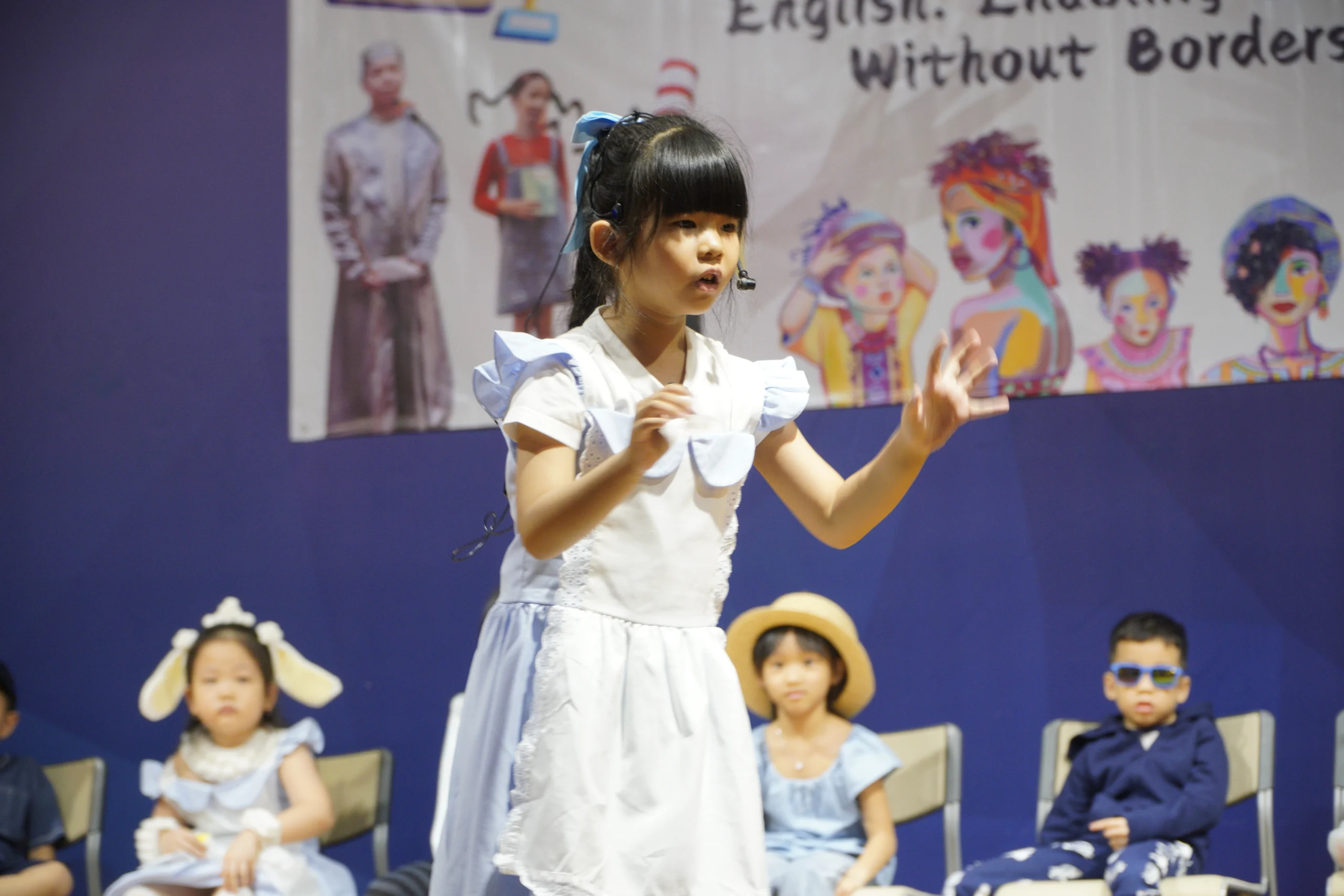
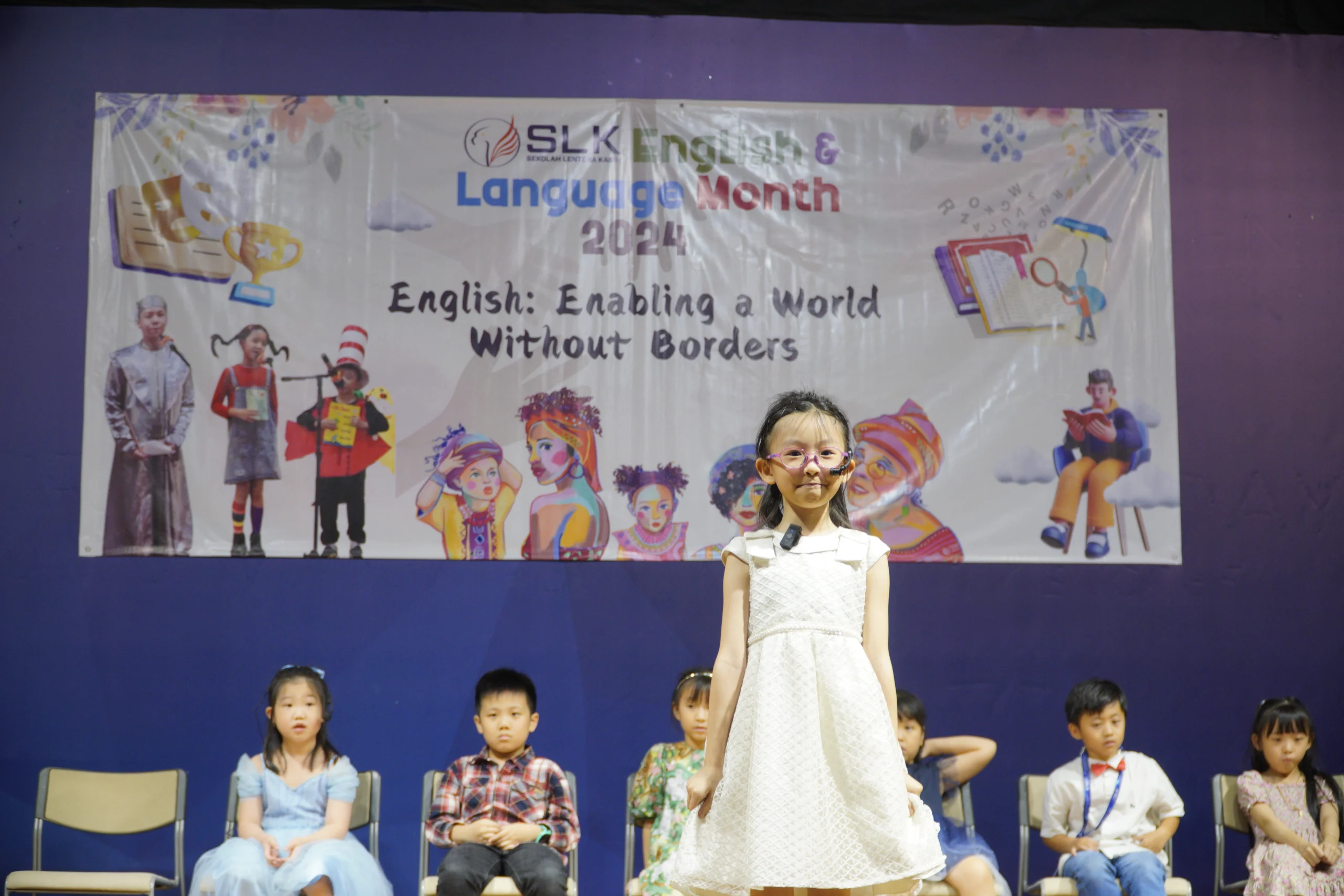
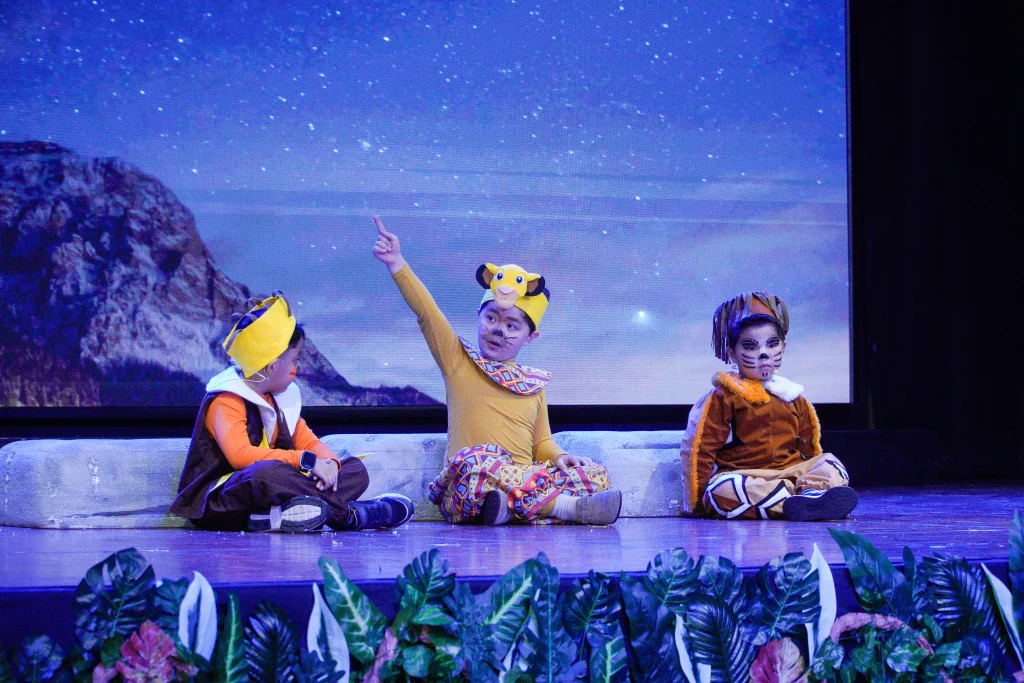
When a child listens to a fable, their brain releases dopamine, creating a feeling of joy. This entertainment isn’t just empty fun—it’s an effective way to lower a child’s stress levels and give them a positive break from their daily routine. For adults too, reading a fable aloud can become a form of mindfulness that eases tension. At Lollypop Preschool, we make sure every storytelling session is delivered with expression, intonation, and engaging props, so children feel truly entertained while learning, without ever feeling like they’re “studying.”
Read Also: What Is The Difference Between Preschool & Kindergarten?
Instilling Moral Values and Building Strong Character
Character education is a core pillar at Sekolah Lentera Kasih. We recognize that the most transformative purpose of a fable is its ability to instill moral values effectively. Children tend to identify themselves with the protagonist of a story. When they see a hero who is honest, brave, and kind, they will unconsciously imitate that behavior in their everyday lives.
Conversely, fables also often feature antagonists with negative traits, such as greed or arrogance. Through the consequences faced by these villainous characters, children learn about cause and effect when it comes to unethical behavior. For example, in the popular story of the tortoise and the hare, children are taught the importance of hard work and perseverance over arrogance. Lessons taught through fables leave a much deeper impression on a child’s memory, because they experience the character’s emotional conflict indirectly—something that goes on to shape their moral compass for the future.
Stimulating Boundless Imagination and Creativity
Childhood is the period when brain plasticity is at its peak. In terms of cognitive development, the purpose of a fable is to stimulate imagination and creativity. When listening to a narrative without a ready-made visual (like on television or a gadget), a child’s brain works hard to visualize the setting, the characters’ appearance, and the story’s atmosphere entirely within their own mind. This process of “building a world” inside their head is a remarkable exercise for the right side of the brain.
Well-honed imagination is a key asset for future problem-solving ability. A child accustomed to fantasizing will have greater flexibility in their thinking. They don’t just see what’s directly in front of them—they’re also able to imagine other possibilities. At Sekolah Lentera Kasih, we encourage children not just to listen, but also to continue a story or create their own ending, which is an integral part of developing their creativity.
Read Also: Find Out If Auditory Learning Is The One For Your Child!
Strengthening the Emotional Bond Between Parents and Children
In today’s fast-paced digital era, quality time between parents and children has become something truly precious. One purpose of a fable that’s often overlooked is its role in building deep emotional bonding. When a parent sits beside their child, reading a book with genuine affection, the child feels loved, safe, and valued. The physical contact, eye contact, and two-way communication that happen during a storytelling session create an intimate moment the child will remember well into adulthood.
Fables also open the door to broader communication. Parents can ask their child, “Why do you think the mouse deer did that?” or “How would you feel if you were in his place?” This kind of interaction boosts a child’s emotional intelligence (EQ) and builds their confidence to speak up and express their opinions to their parents. Sekolah Lentera Kasih always encourages parents to make storytelling a daily ritual at home to help maintain their child’s emotional stability.
Boosting Literacy and Vocabulary from an Early Age
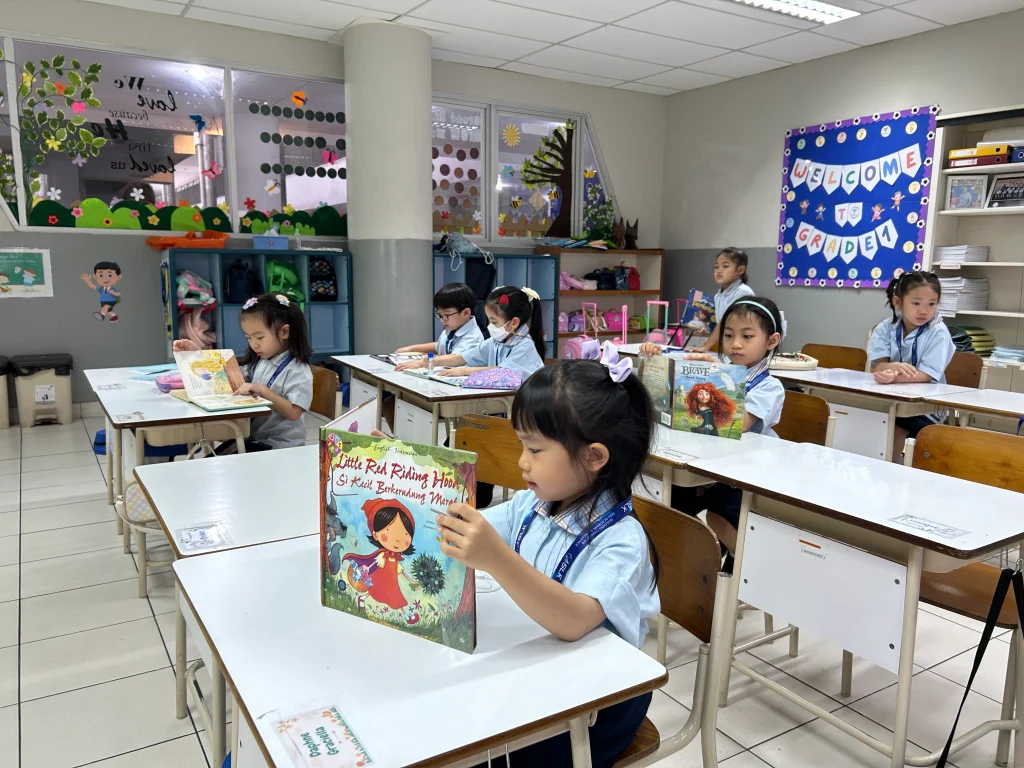
Beyond the emotional and character-building aspects, the purpose of a fable is also closely tied to language development. Through fables, children are introduced to proper language structure, new vocabulary rarely found in everyday conversation, and figurative language. Continuous exposure to well-structured narratives helps children grasp grammar intuitively.
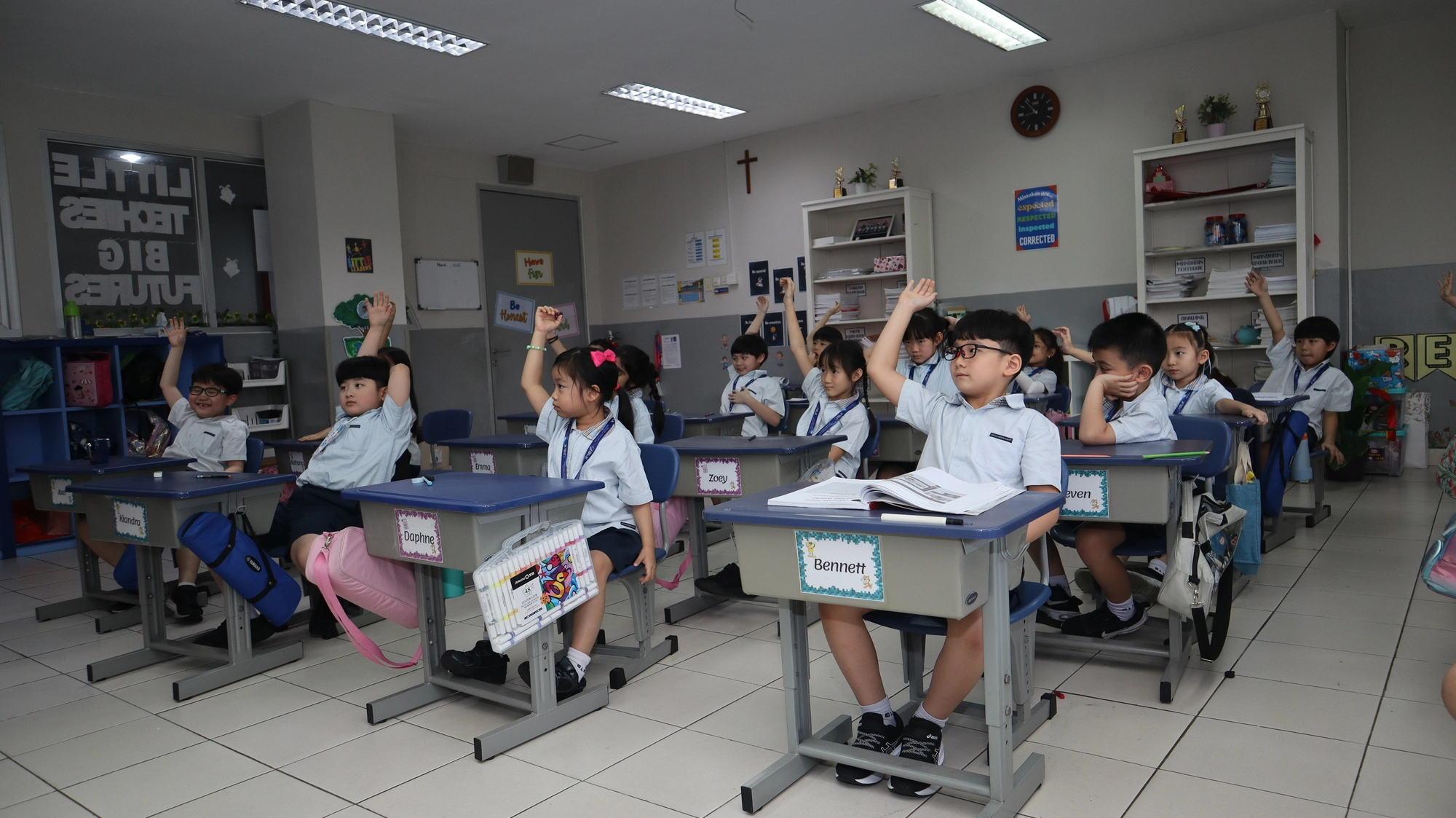
Research shows that children who are frequently read fables have a significantly richer vocabulary than children who are rarely exposed to storytelling. This makes it much easier for them when they begin learning to read and write at school. At Lollypop Preschool, we integrate storytelling sessions with letter and word recognition, so the transition into formal literacy becomes a natural process that doesn’t feel burdensome for little ones.
Read Also: Here Are 5 Effective & Fun Children’s Reading Tips!
Broadening Cultural Awareness and Tolerance
Fables often originate from all corners of the world, each carrying a different cultural background. In this sense, the purpose of a fable is to introduce children to the world’s diversity from an early age. Through folk tales from various regions of Indonesia or fables from other countries, children learn that there are many traditions, styles of dress, foods, and ways of life different from their own.
Exposure to this kind of diversity is essential for building tolerance and empathy. Children learn to appreciate differences and come to understand that even though people may differ outwardly or culturally, they all share similar feelings and human values. At Sekolah Lentera Kasih, we offer an inclusive curriculum in which fables from a range of ethnic backgrounds are shared, helping to shape learners who are globally minded while still cherishing their local cultural roots.
Why Fables Are an Investment For the Future
Altogether, the purpose of a fable extends far beyond simply filling free time. It is a comprehensive tool that touches a child’s cognitive, emotional, social, and linguistic development. Through storytelling, we give children not just a story, but a moral compass, wings of imagination, and a strong foundation in literacy.
Sekolah Lentera Kasih and Lollypop Preschool are committed to keeping this tradition of storytelling alive within our learning environment. We believe that every story a child hears today is a building block for the character they will carry into the future. So let’s set aside a moment each day to read a fable to our little ones—because within every word spoken lies the hope and the future we are shaping together.
Interested in learning more about how our creative learning methods can support your child’s growth? Contact us and become part of an education community that puts every child’s character and unique potential first.