
Navigating the early years of your child’s education can be a complex journey, filled with terminology that often seems interchangeable. For many parents, the line between “preschool” and “kindergarten” feels blurred. Are they just different names for the same thing? Is one simply a more advanced version of the other?
At Lollypop Preschool, we believe that understanding these distinctions is vital for making informed decisions about your child’s developmental trajectory. While both environments provide essential building blocks for future success, they serve distinct purposes, cater to different developmental stages, and follow unique pedagogical structures. This comprehensive guide will delve deep into the core differences, helping you navigate the transition from early childhood play to formal academic learning.
Age Range and Enrollment Eligibility: The First Milestone
One of the most immediate ways to distinguish between preschool and kindergarten is by looking at the age of the child and the specific enrollment criteria set by educational governing bodies. Preschool, as the name suggests, is a “pre-schooling” phase. It typically serves children between the ages of 2 and 5. In most cases, children enter preschool at age 3. This phase is characterized by flexibility; enrollment isn’t mandatory by law, and parents have the autonomy to choose the age at which their child begins this social journey. At Lollypop Preschool, we call this level the Toddlers & Pre-Nursery program, where we serve children between the ages of 1.5 and 3.
Kindergarten, however, serves as the formal gateway to the primary education system. In the vast majority of international and domestic systems, a child must be 5 years old to enter kindergarten. This eligibility is often strictly governed by a “cutoff date”, usually requiring the child to have reached age 5 by a specific date in the fall (such as September 1st). Unlike the fluid entry points of preschool, kindergarten is frequently seen as the first year of “big school.” In many jurisdictions, kindergarten marks the beginning of compulsory education, where attendance becomes a legal requirement rather than a parental choice. This transition represents a shift from the individual-paced growth of the toddler years to a standardized educational timeline.
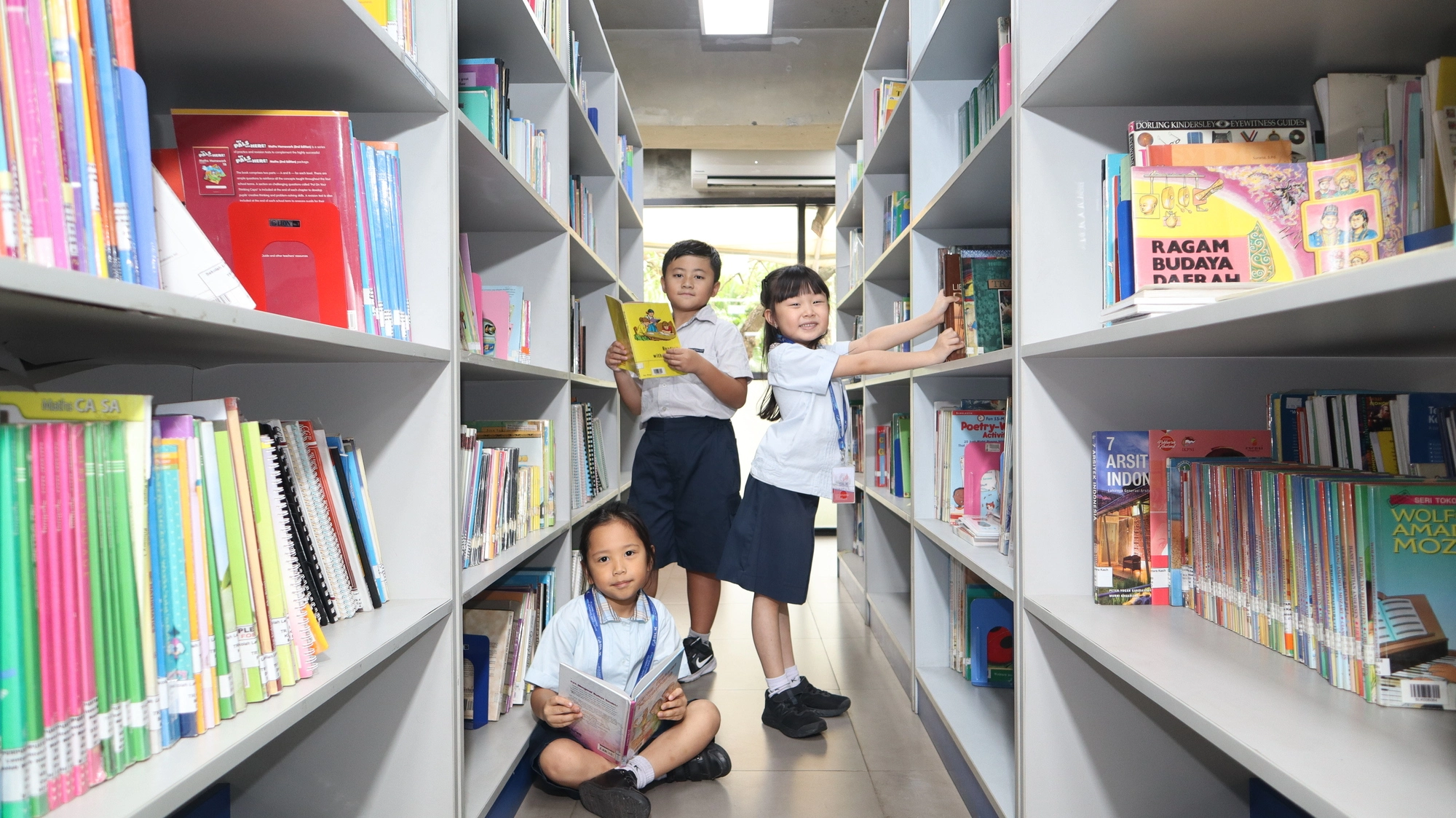
Our Kindergarten program at Lollypop Preschool focuses on strengthening academic foundations and global perspectives to ensure a confident transition into formal schooling for our 4-5 year olds.
Curriculum Focus: Social Development vs. Academic Foundations
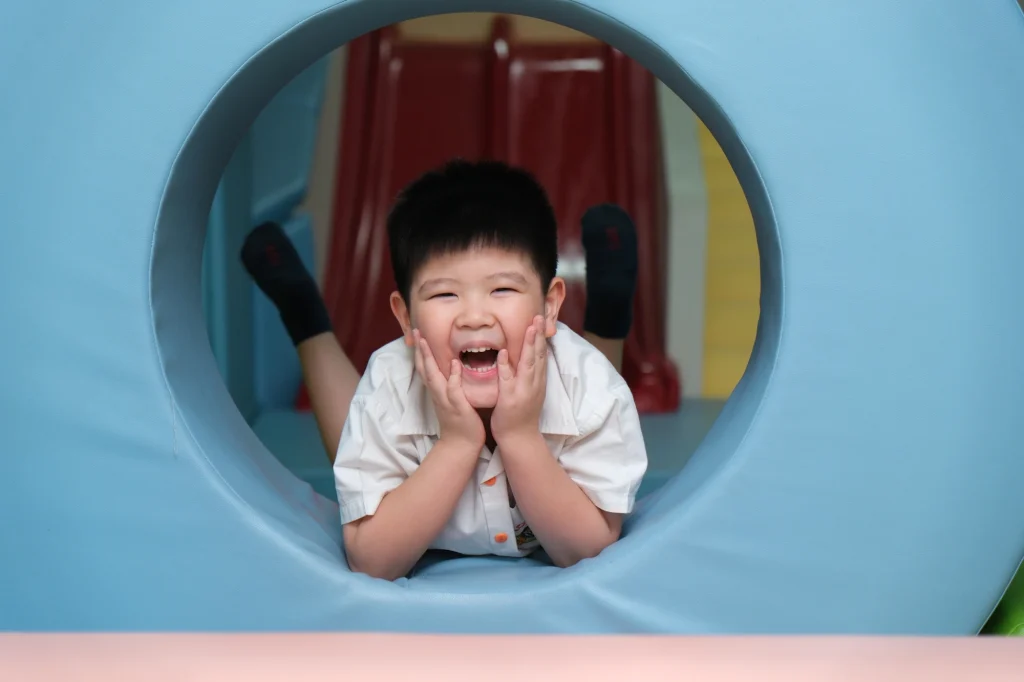
The pedagogical approach of these two levels differs significantly in its ultimate goal. Preschool is rooted deeply in the philosophy of holistic development. The primary focus is on social-emotional learning (SEL) and physical development. In a preschool setting, such as the one cultivated at Lollypop Preschool, the “curriculum” is often play-based. This does not mean the children are merely playing without purpose; rather, play is the vehicle through which they learn to share, take turns, resolve conflicts, and build self-esteem. They are learning how to be part of a community, how to follow a simple routine, and how to express their emotions in a healthy manner. Fine and gross motor skills are also emphasized through sensory play, art, and movement, providing the physical foundation necessary for future writing and physical activities.
As the child transitions into Kindergarten, the focus shifts towards more structured, standards-based academic foundations. While play is still an important component, it becomes less dominant as formal instruction takes center stage. Kindergarten is where children are introduced to the mechanics of literacy and numeracy. They move from simply recognizing letters to phonemic awareness, blending sounds, and eventually reading sight words. In mathematics, they move beyond counting objects to understanding basic addition, subtraction, and geometric patterns.
The curriculum is designed to meet specific state or international standards, ensuring that every child is prepared for the rigors of First Grade. At Sekolah Lentera Kasih, our kindergarten program bridges this gap by maintaining an engaging environment while introducing the disciplined academic habits required for lifelong learning.
Classroom Structure and Daily Schedules: Flexibility vs. Structure
The physical environment and the daily flow of time in these classrooms are adjusted to suit the attention spans and energy levels of the age groups they serve. Preschool classrooms are often organized into “learning centers” or interest corners. A child might spend twenty minutes in the block area, then move to the dramatic play kitchen, followed by a sensory bin with sand or water. The schedule is flexible and often accommodates the physical needs of younger children, such as nap times or designated periods for potty training assistance. Many preschool programs are part-time, offering two, three, or five-day options, and sessions may only last for three to four hours a day.
Kindergarten, by contrast, mirrors the structure of the broader school system. The day is typically full-time, mirroring the hours of primary school students. The classroom is more organized around collective instruction. While there are still centers, there is a much higher emphasis on whole-group activities led by the teacher at a whiteboard or in a circle. Students are expected to sit for longer periods, focus on specific tasks for extended durations, and transition quickly between subjects like Science, Social Studies, and Language Arts. The mandatory nature of kindergarten attendance also means that the schedule is rigid; there is a set time for arrival, lunch, recess, and dismissal, preparing the child for the discipline of a formal school day.
Determining School Readiness: Which Level is Right?
Choosing between continuing in a preschool environment or moving up to kindergarten is not always a matter of age alone; it is also a matter of developmental readiness. Parents must assess various milestones to determine if their child is ready for the increased demands of a kindergarten classroom. One key factor is independence. Can the child manage their own belongings, use the restroom independently, and follow two- or three-step directions without constant supervision? Socially, is the child able to interact with peers without frequent physical aggression or total withdrawal? A child who still requires significant one-on-one emotional regulation or who tires very easily after a few hours of stimulation may benefit from an extra year in a high-quality preschool program.
Cognitive curiosity is another indicator. If a child is showing a deep interest in letters, numbers, and how things work, they may be ready for the academic challenges of kindergarten. However, if they are still deeply immersed in the world of imaginative play and are developing their motor skills, the preschool environment offers the “breathable space” they need to grow without the pressure of academic benchmarks.
At Sekolah Lentera Kasih and Lollypop Preschool, we work closely with parents to evaluate these milestones. We understand that every child follows a unique clock, and our goal is to ensure that when they do enter kindergarten, they do so with the confidence, social skills, and cognitive foundation required to thrive, not just survive.
Conclusion: Choosing the Best Path for Your Child
While the terms are often used interchangeably in casual conversation, the differences between preschool and kindergarten are fundamental to a child’s development. Preschool is the garden where social roots are established through play and exploration, while kindergarten is the first step onto the structured path of formal education. Both are essential, but they serve the child in different ways. By understanding the nuances of age requirements, curriculum focus, classroom structure, and financial considerations, you can better advocate for your child’s needs.
Whether your child is just starting their journey at Lollypop Preschool or preparing for the academic rigor of Sekolah Lentera Kasih, ensuring they are in the right environment at the right time is the greatest gift you can give to their future self. Contact us to consult the best decision for your child!