Every student is a unique individual with a specific way of processing the world around them. While some can sit quietly and absorb information through a lecture, others find their minds wandering unless their bodies are in motion. This latter group often belongs to the category of kinesthetic learners. Understanding kinesthetic learning is not just about identifying a preference; it is about unlocking a child’s full academic and personal potential. At Sekolah Lentera Kasih & Lollypop Preschool, we believe that recognizing these diverse learning styles is the first step toward fostering a truly inclusive and effective educational environment.
What is Kinesthetic Learning?: A Core Definition
Kinesthetic learning, often referred to as tactile learning or physical learning, is a style where individuals process information most effectively through movement, touch, and physical engagement. It is one of the three primary learning styles identified in the popular VARK model (Visual, Auditory, Read/Write, and Kinesthetic). Unlike visual learners who need to see diagrams or auditory learners who need to hear explanations, kinesthetic learners need to ‘do’ things to truly understand them.
From a neuroscientific perspective, kinesthetic learning involves the motor cortex of the brain. When a student physically interacts with an object or moves their body while learning, they are creating neural pathways that link physical sensations with cognitive concepts. This is why a kinesthetic learner might struggle to remember a mathematical formula from a textbook but can easily solve a physics problem if they are building a bridge out of popsicle sticks. For these students, the act of ‘doing’ provides the sensory feedback necessary for the brain to encode and store information in long-term memory. At Lollypop Preschool, we emphasize this hands-on approach from an early age, ensuring that children aren’t just passive recipients of information but active participants in their own discovery process.
In essence, kinesthetic learning is the bridge between abstract thought and physical reality. It is a multisensory experience where the hands, feet, and whole body become tools for exploration. Whether it is through science experiments, role-playing historical events, or using physical manipulatives to solve math problems, kinesthetic learning turns the world into a living laboratory. This approach is fundamental to the philosophy at Sekolah Lentera Kasih, where we strive to provide a holistic education that respects the physiological needs of every student.
Common Traits of Kinesthetic Learners
Identifying a kinesthetic learner early can be a game-changer for parents and educators. These students often exhibit specific behaviors that are sometimes misinterpreted as restlessness or lack of focus in traditional classroom settings. However, when viewed through the lens of their learning style, these traits are actually indicators of how their brains are hardwired to learn.
Constant Motion
One of the most common signs of a kinesthetic learner is the need to move. This might manifest as fidgeting with a pen, tapping a foot, or the inability to sit still for long periods. This movement isn’t a distraction; it is a way for them to keep their brain engaged.
Excellent Hand-Eye Coordination
Kinesthetic learners often excel in physical activities such as sports, dance, or martial arts. Their awareness of their body in space—often called proprioception—is highly developed, making them natural athletes or performers.
Preference for Practical Subjects
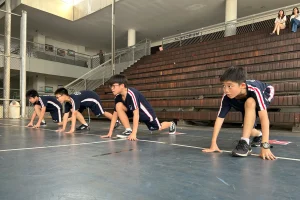
These students are usually drawn to subjects that offer hands-on opportunities. They are the ones who shine in chemistry labs, woodshop, art class, or during PE. They enjoy building models, taking things apart to see how they work, and creating tangible projects.
Gestural Communication
When speaking, kinesthetic learners often use their hands to describe things. They might ‘draw’ shapes in the air or use expressive body language to convey their thoughts, as if their physical gestures are helping them find the right words.
Trial and Error Approach
Instead of reading instructions or watching a tutorial, a kinesthetic learner would rather dive right in. They learn best through the process of making mistakes and physically correcting them.
Sensitivity to Environment
They are often very aware of the textures and temperatures in their surroundings. A rough chair or a cold room can be more distracting to a kinesthetic learner than it would be to others, as they are highly attuned to physical sensations.
At Sekolah Lentera Kasih & Lollypop Preschool, our teachers are trained to recognize these traits not as challenges, but as strengths. We provide environments where students can move safely and utilize their physical energy as a catalyst for learning, rather than something to be suppressed.
Top Study Strategies for Kinesthetic Students
For a kinesthetic learner, traditional study methods like reading a textbook for hours or listening to recorded lectures can be incredibly draining. To excel academically, these students need to incorporate movement into their study routines. Here are several comprehensive strategies designed to turn a sedentary study session into a dynamic learning experience.
1. Active Note-Taking and Mapping
Instead of just writing lines of text, kinesthetic learners should use ‘active’ note-taking. This involves drawing diagrams, creating mind maps, and using different colors of pens. The physical act of switching colors and mapping out ideas spatially helps the brain organize the information. Furthermore, using textures—like sticky notes or even textured paper—can provide the tactile stimulation these learners crave.
2. Incorporating Movement Breaks
The ‘Pomodoro Technique’ is particularly effective for kinesthetic learners, but with a twist. During the 5-minute break, they should engage in high-intensity physical activity—jumping jacks, stretching, or a quick walk around the house. This physical ‘reset’ helps clear the mind and prepares the brain for the next block of focused study. At Lollypop Preschool, we integrate these movement breaks throughout the day to ensure our young learners remain refreshed and attentive.
3. The ‘Walk and Talk’ Method
Memorizing facts is often easier for kinesthetic learners if they are moving. We recommend students pace around the room while reciting information or even bounce a ball while practicing spelling words or multiplication tables. The rhythm of the movement provides a physical framework that the brain can use to anchor the information. For older students at Sekolah Lentera Kasih, walking during a discussion about a literature book or a history topic can lead to deeper insights than sitting at a desk.
4. Using Fidget Tools and Stand-Up Desks
Sometimes, small movements are enough. Fidget spinners, stress balls, or even a piece of clay can give the hands something to do, which actually improves focus on the task at hand. Additionally, standing desks are a fantastic tool for kinesthetic learners. Standing requires more micro-movements and core engagement than sitting, which keeps the learner’s body active and their mind alert.
5. Role-Play and Simulations
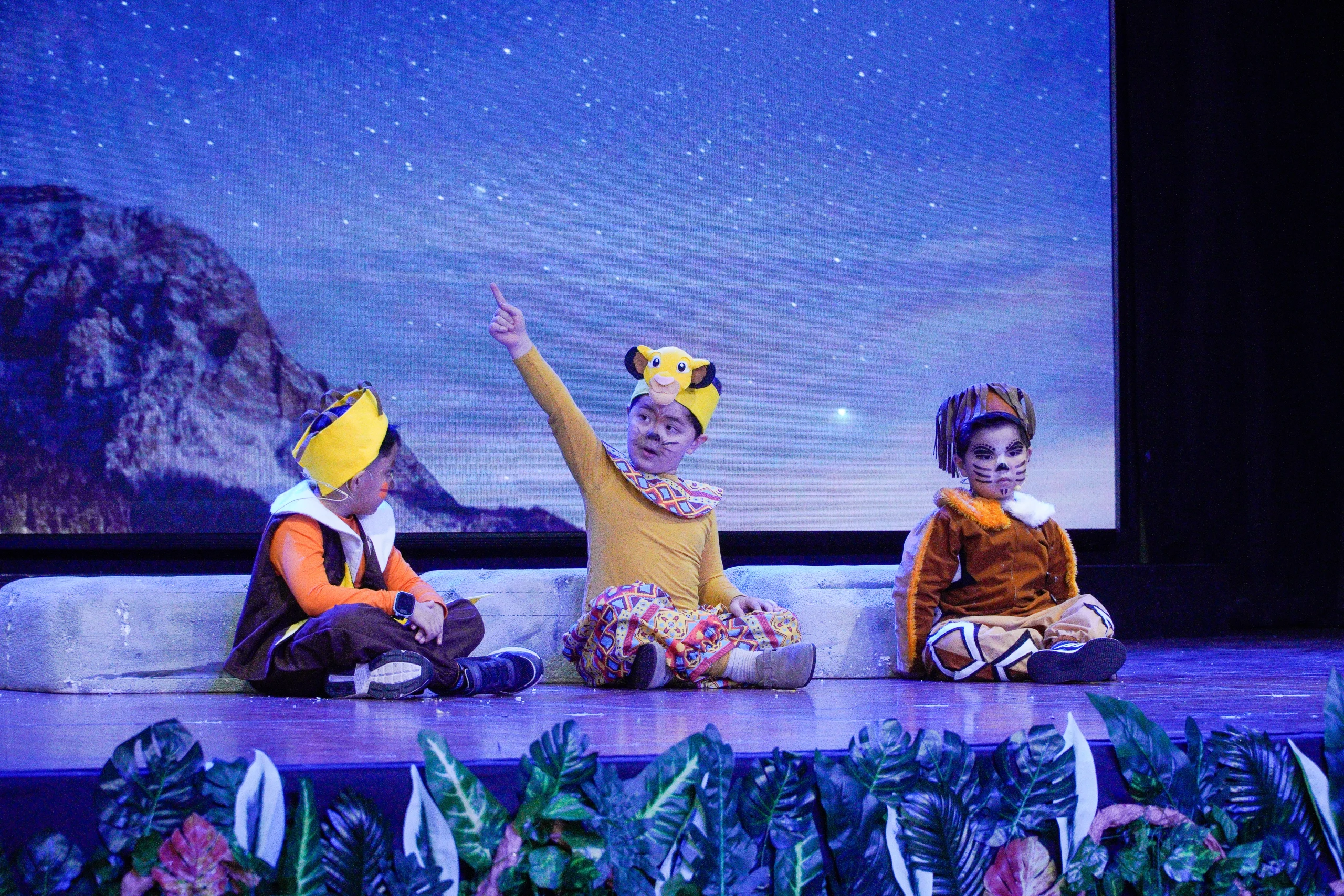
History and literature come alive through role-play. By acting out a scene from a play or simulating a historical debate, kinesthetic learners internalize the material. They aren’t just memorizing dates; they are ‘experiencing’ the emotions and physical presence of the characters or figures they are studying. This experiential learning is a cornerstone of our curriculum at Sekolah Lentera Kasih.
Kinesthetic Learning vs. Visual and Auditory Styles
To fully appreciate the kinesthetic approach, it is helpful to compare it with other dominant learning styles. Most educational systems are heavily biased toward visual and auditory learning, which can leave kinesthetic learners feeling left behind. However, each style has its own unique mechanism for information processing.
Visual Learners process information through sight. They love charts, videos, and reading. Their brains are excellent at spatial visualization. In contrast, while a visual learner wants to see a map, a kinesthetic learner wants to walk the path or build a 3D model of the terrain. The visual learner stores an image; the kinesthetic learner stores a physical memory of the journey.
Auditory Learners thrive on sound. They learn best from lectures, discussions, and music. They can remember exactly what a teacher said days later. A kinesthetic learner, however, might struggle to remember a long lecture unless they were taking physical notes or doing a hands-on activity simultaneously. For them, the sound is often secondary to the action.
The main difference lies in the ‘engagement point.’ For visual and auditory styles, the engagement is external—watching or listening. For kinesthetic learners, the engagement is internal and experiential. It is the difference between watching a video on how to ride a bike (visual), listening to an explanation of the physics of balance (auditory), and actually getting on the bike and feeling the pedals move (kinesthetic).
At Sekolah Lentera Kasih & Lollypop Preschool, we believe in a multimodal approach. We don’t just pick one style; we weave them together so that every child, regardless of their primary style, can benefit from a rich, multifaceted educational experience.
Conclusion: Embracing the Power of Movement
Kinesthetic learning is not a hurdle to overcome; it is a powerful way of interacting with the world. By recognizing the traits of kinesthetic learners and providing them with the right strategies and environments, we can help them achieve incredible things. These are the future surgeons, engineers, athletes, and artists of our world—people who understand the value of a ‘hands-on’ approach.
At Sekolah Lentera Kasih & Lollypop Preschool, we are dedicated to providing an education that celebrates these differences. By integrating movement, tactile experiences, and physical exploration into our daily routines, we ensure that every child—especially our kinesthetic learners—feels seen, supported, and inspired. If you are looking for a school that understands your child’s unique way of learning, we invite you to learn more about our programs and join our community where learning is always an active, joyful adventure. So, contact us today for more information!