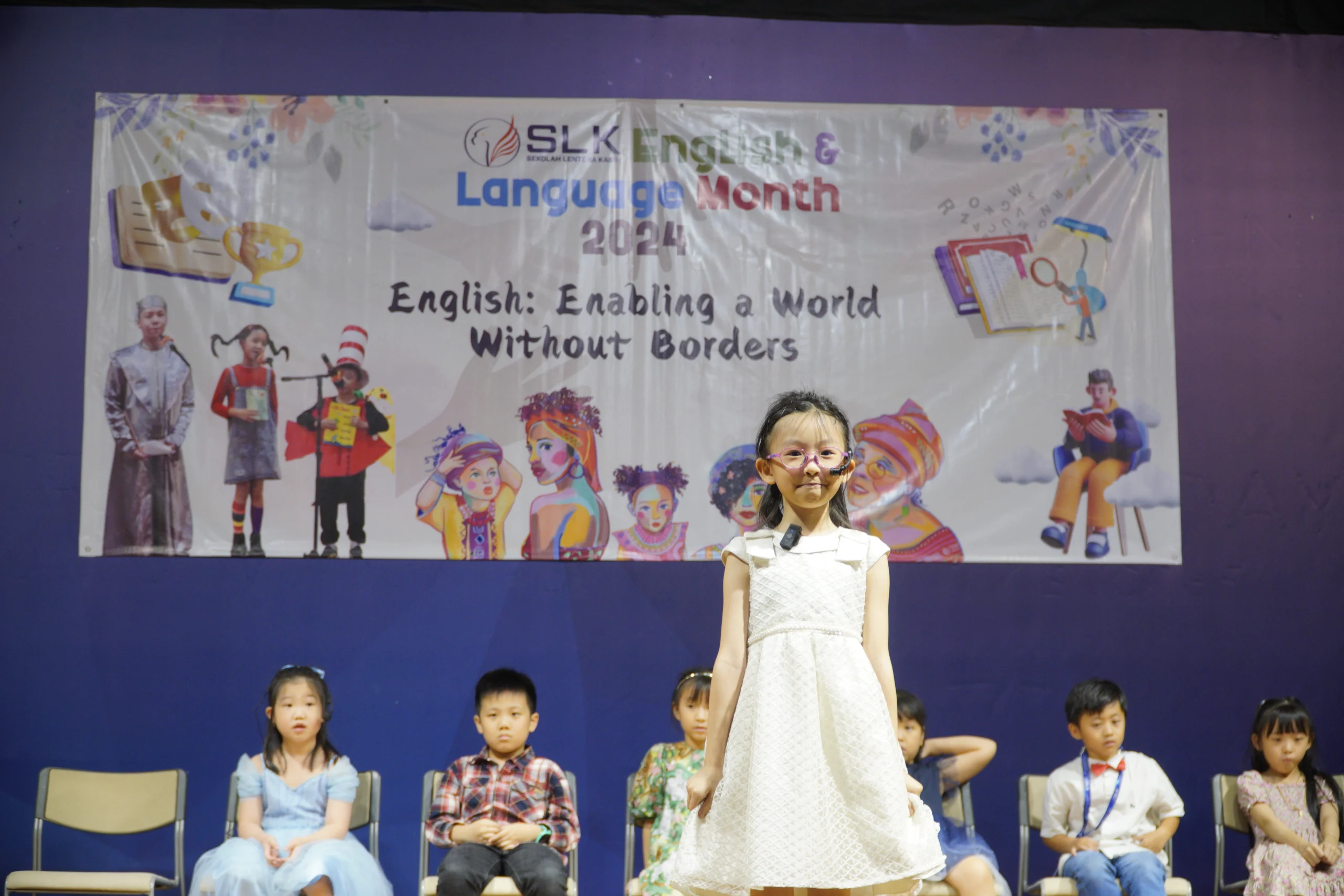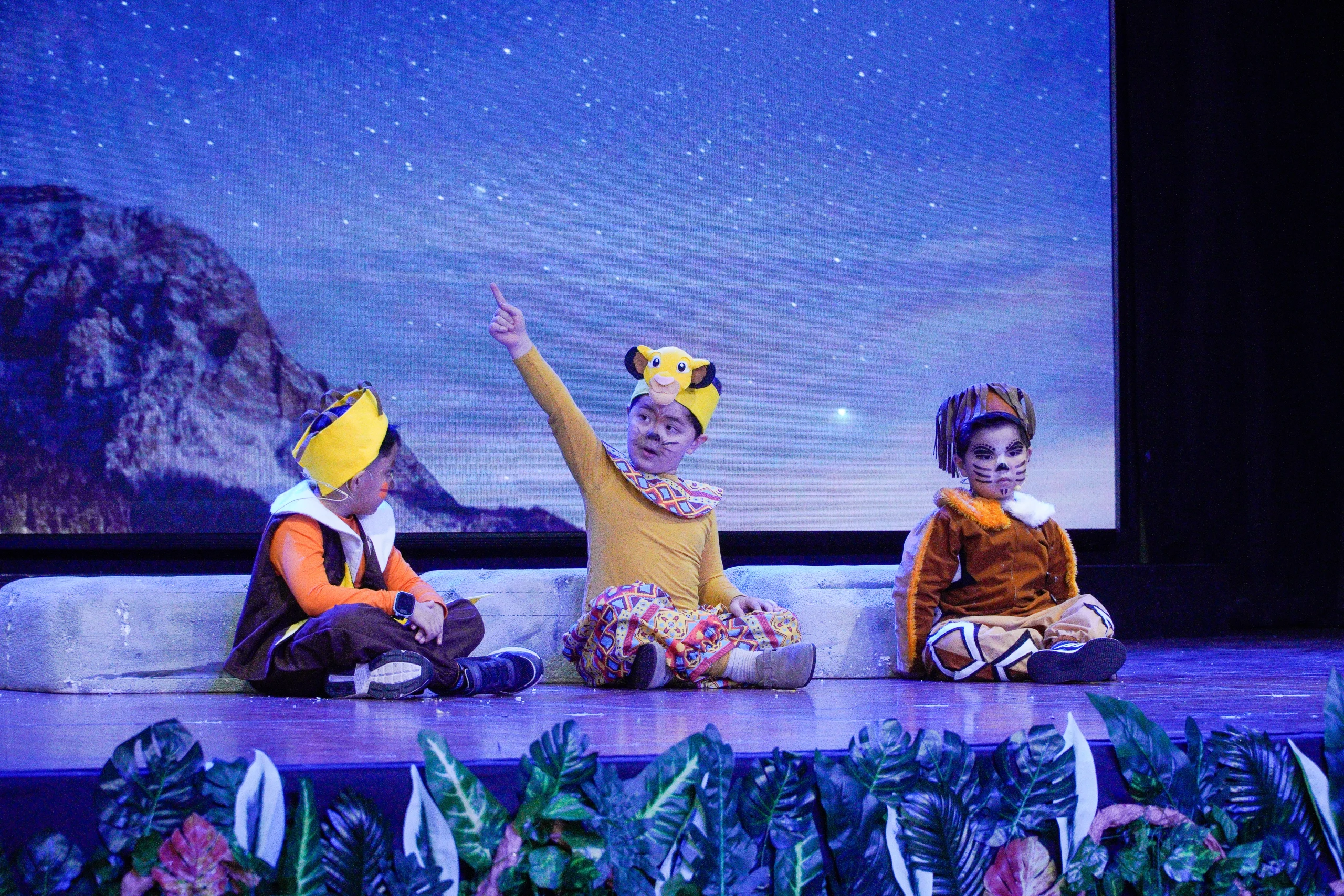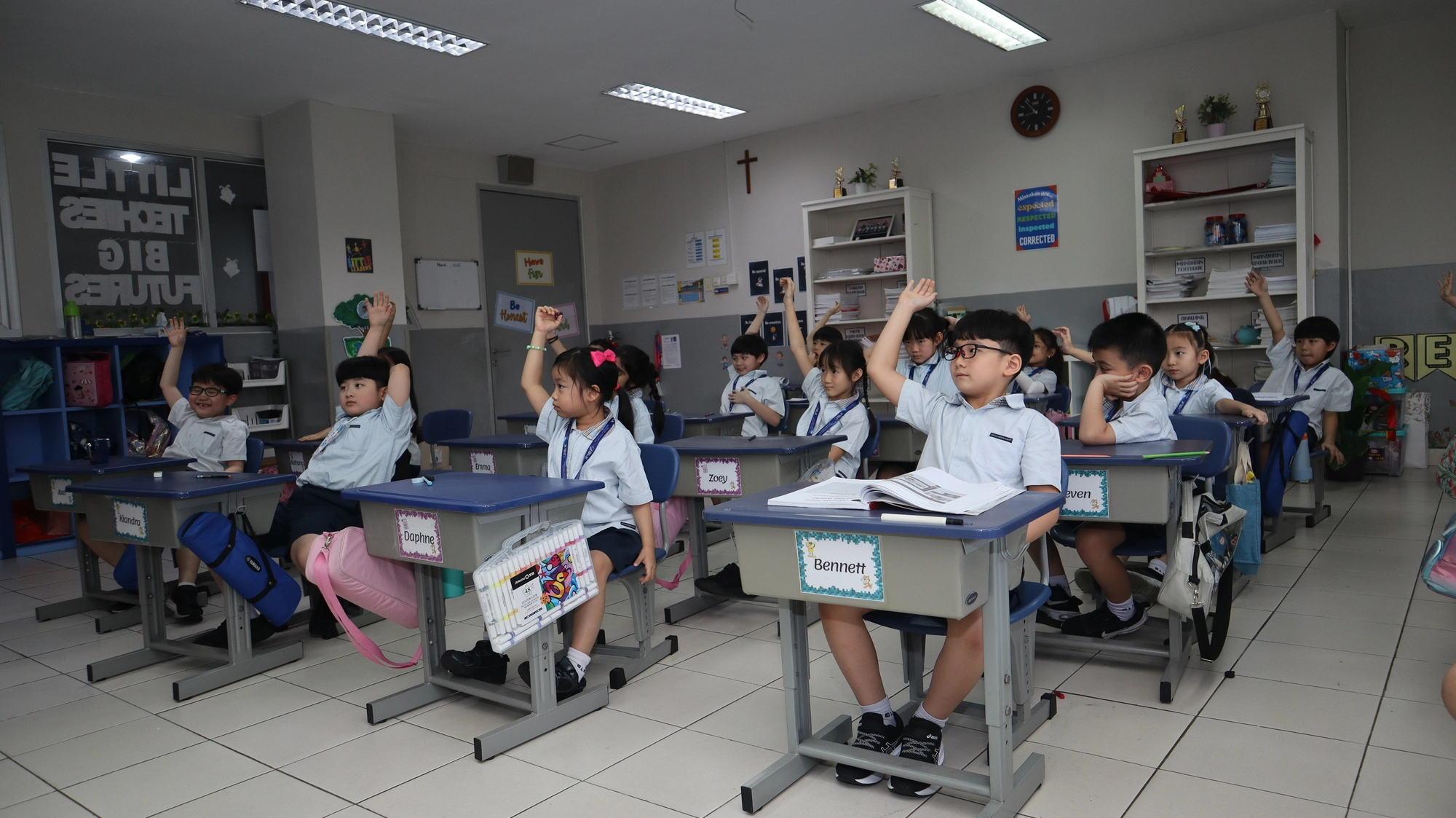


In today’s increasingly competitive education landscape, many parents and educators tend to focus solely on academic achievement, or what is commonly known as Intelligence Quotient (IQ). However, modern research in educational psychology has consistently proven that intellectual ability is not the sole determinant of a child’s future success. There is another factor that is far more crucial in shaping a child’s character and mental resilience: emotional intelligence, or Emotional Quotient (EQ). At Sekolah Lentera Kasih and Lollypop Preschool, we understand that equipping children with the ability to recognize, understand, and manage their own emotions is a priceless long-term investment. This article will explore in depth various examples of emotional intelligence in school that can be observed and developed in children.
Understanding and the Importance of Emotional Intelligence in School
Emotional intelligence is defined as a person’s ability to perceive, assess, manage, and control their own emotions and those of the people around them. According to psychology expert Daniel Goleman, EQ consists of five main components: self-awareness, self-regulation, internal motivation, empathy, and social skills. In the school environment, emotional intelligence plays a highly vital role because school is a microcosm of broader society. Students don’t just come to learn math or science—they also learn how to interact with authority figures like teachers and get along with peers from diverse backgrounds.
The impact of high EQ on academic success is significant. A student who can manage their emotions well will have more stable concentration in the classroom. They are not easily distracted by excessive anxiety, anger, or sadness. Beyond that, emotional intelligence also directly influences how students build friendships. Students with high EQ tend to be better liked by their peers because they show care and are good listeners. At Sekolah Lentera Kasih, we believe a healthy learning environment begins with the emotional maturity of its students. Without a strong emotional foundation, a child’s intellectual potential may never be fully realized, as they will constantly be held back by internal and external conflict.
Example of Managing Emotions Under Exam Pressure
One of the most emotionally challenging moments for students at school is facing exams or major assessments. The pressure to get a perfect score often triggers test anxiety, which can paralyze a child’s thinking. This is where a real emotional intelligence example in school becomes visible—in how a student responds to that stress. Students with high EQ won’t let fear take over their minds. Instead, they use self-regulation techniques to calm their nervous system.
For instance, when a student at Sekolah Lentera Kasih encounters an extremely difficult exam question, instead of immediately panicking and crying, that student will take a deep breath to slow their heart rate. They will engage in positive self-talk, telling themselves something like, “I’ve studied as much as I can, I’ll start with the easier questions first.” The ability to stay calm under pressure is a clear form of emotional management. Stress management also includes the ability to avoid excessive self-blame when exam results don’t meet expectations. Students with good emotional intelligence view failure as feedback to study harder in the future, not as the end of the world.
Self-Regulation Techniques for Students
- Breathing Technique: Training children to inhale for 4 counts, hold for 4 counts, and exhale for 4 counts.
- Positive Visualization: Imagining themselves successfully completing a task before starting the work.
- Time Management: Managing study schedules wisely to avoid cramming the night before an exam (an all-nighter), which is a major trigger for stress.
Read Also: How To Prepare Your Children For Their First Day Of School: The Ultimate Guide
Showing Empathy in Interactions with Peers
Empathy is the ability to feel what others feel and see a situation from their perspective. In the school environment, empathy is the social glue that binds relationships between students. This kind of emotional intelligence example in school can be seen when a student notices a friend feeling sad over losing something or struggling to understand certain material. Students with high EQ won’t ignore that condition or, worse, mock it.
For example, at Lollypop Preschool, we often see young children voluntarily sharing their toys with a friend who is crying. This is a precious seed of empathy. At a higher level, such as at Sekolah Lentera Kasih, empathy is shown through concrete actions like offering study help without being asked. If a friend becomes a victim of bullying, a student with strong emotional intelligence will have the moral courage to defend their friend or report it to a teacher, rather than becoming a passive bystander. This social awareness creates a classroom atmosphere that is safe and supportive for everyone, where each individual feels valued and heard.
Conflict Resolution Through Effective Communication
Conflict or differences of opinion at school are inevitable. Disputes can arise over sharing stationery, differing opinions during group work, or even trivial matters during sports games. However, how students resolve conflict is what sets those with high emotional intelligence apart from those without it. Using assertive communication is key to resolving conflict without resorting to physical or verbal aggression.
For example, during a debate in a group discussion over who should be the leader, a student with high EQ won’t shout or force their will on others. They will use “I-statements” to express their feelings, such as: “I feel uncomfortable when decisions are made unilaterally—maybe it would be better if we voted.” They learn to listen to others’ arguments with an open mind (active listening) before responding. The ability to compromise and find a middle-ground solution (win-win solution) is a manifestation of emotional maturity. At Sekolah Lentera Kasih, we consistently teach that winning an argument isn’t the main goal—maintaining a good relationship is a higher priority.
How Teachers Support Students’ EQ Development in the Classroom
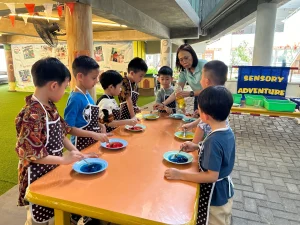
Teachers play a highly strategic role as role models in developing students’ emotional intelligence. At Sekolah Lentera Kasih and Lollypop Preschool, our teachers are trained to integrate Social Emotional Learning (SEL) into the daily curriculum.
The first step teachers take is creating an emotionally safe classroom environment, where students feel free to express their opinions and feelings without fear of judgment.
Teachers can support students’ EQ by doing a morning emotional “check-in,” asking about students’ wellbeing and feelings before starting the lesson.
Additionally, when conflict arises in class, teachers don’t just hand out punishment—they invite the students involved to discuss what they’re feeling and how their actions affect others.
Giving specific praise for a student’s effort in managing their emotions is also very important. For example: “I’m really proud of you for staying calm even though you disagreed with Budi’s opinion.”
By validating students’ emotions, teachers help them build deeper self-confidence and self-awareness. The curriculum at Lollypop Preschool is also designed to encourage collaboration through group games that teach children the meaning of sharing and taking turns.
Teacher Strategies for Integrating SEL
- Role Play: Running simulations of difficult situations and having students practice responding appropriately.
- Reflection Journals: Having students write down what they feel each day to build self-awareness.
- Mindfulness Minutes: Setting aside 2-3 minutes at the start of class for light meditation to help students focus and stay calm.
Conclusion
In conclusion, emotional intelligence is not an innate talent one is born with—it’s a skill that can be learned, trained, and developed throughout life. The various examples of emotional intelligence in school discussed here—from managing exam stress, to showing empathy toward friends, to resolving conflict peacefully—are important indicators of a child’s readiness to face real-world challenges in the future. At Sekolah Lentera Kasih and Lollypop Preschool, we are fully committed to accompanying every student on their emotional growth journey.
An education that balances IQ and EQ will produce a generation that is not only cognitively intelligent but also wise, resilient, and possesses strong moral integrity. As parents and educators, let’s continue to give our children the support and space to explore their emotions, because ultimately, the ability to empathize and work well with others is the key to true happiness and success. Join us at Sekolah Lentera Kasih & Lollypop Preschool to give your child the best education for their future—contact us to learn more!