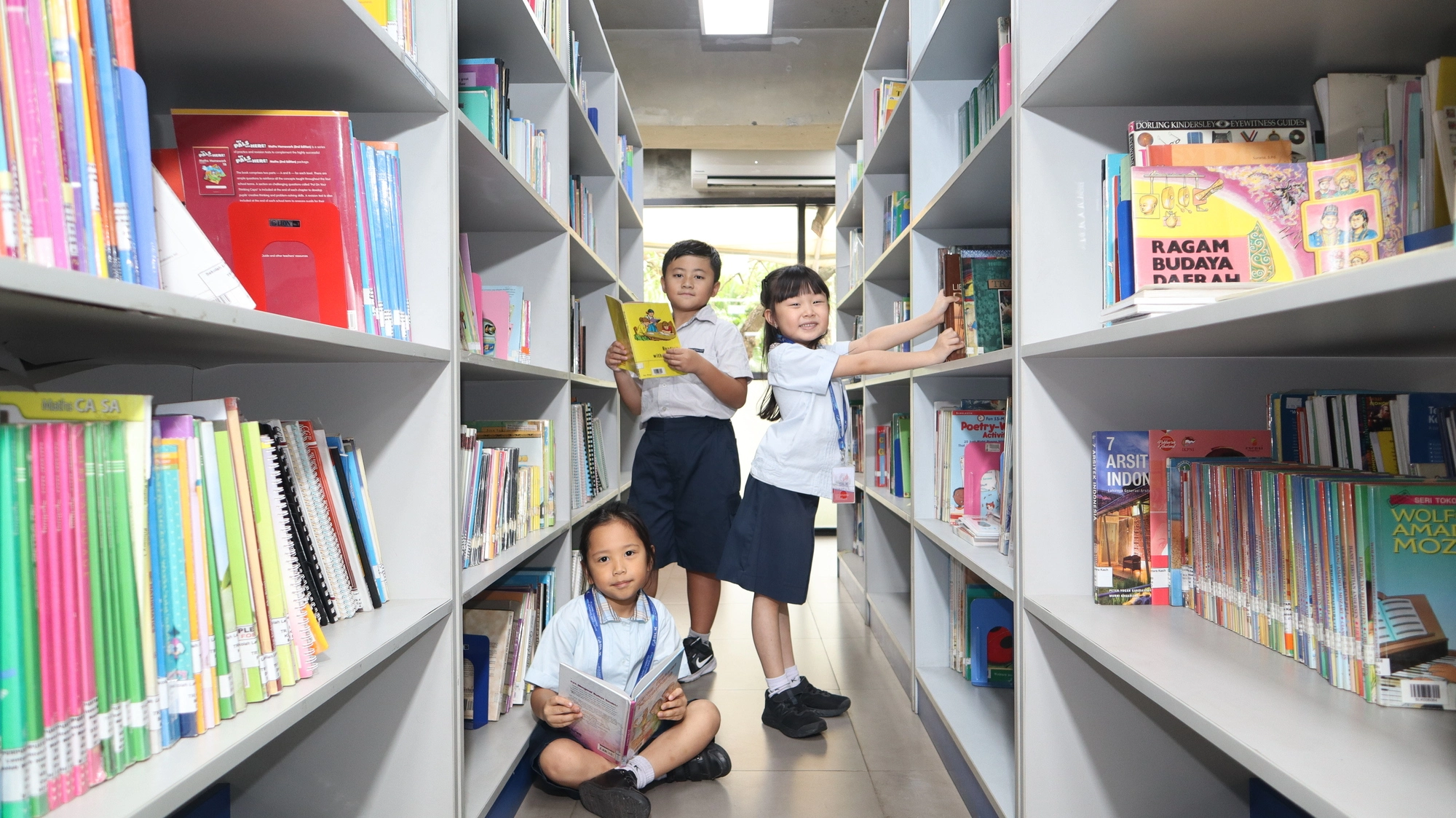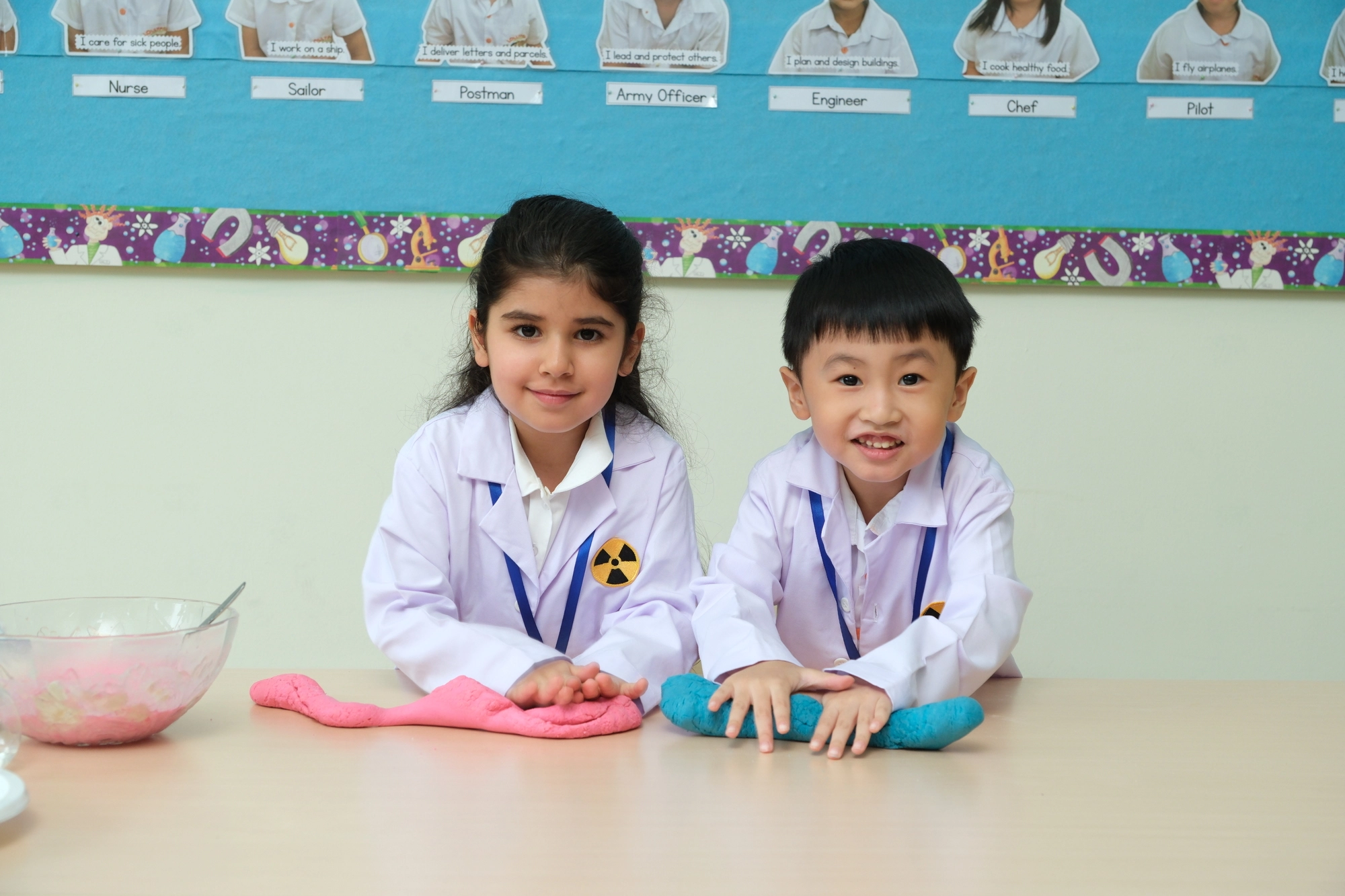

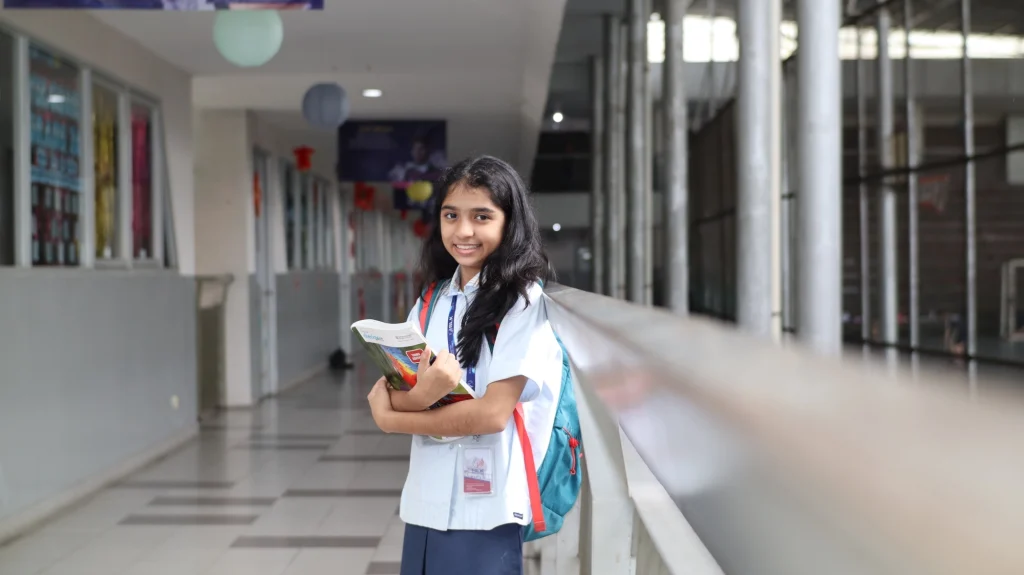
The first day of school is a monumental milestone in a child’s life, representing a significant transition from the intimate comforts of home to the broader, more structured world of education. At Sekolah Lentera Kasih and Lollypop Preschool, we understand that this day carries a weight of expectation and emotion for both parents and children alike. It is a day filled with the promise of new friendships, the excitement of learning, and the inevitable nerves that come with stepping into the unknown.
Preparing your child for this moment is not just about purchasing a new backpack; it is about psychological readiness, physical routine, and emotional resilience. In this comprehensive guide, we will explore every facet of preparation to ensure your child feels confident, supported, and ready to thrive from the very first bell.
Essential Preparation: A Checklist for the Night Before
A successful first day begins long before the sun rises. The night before school starts is the foundation upon which a calm and productive morning is built. The goal of evening preparation is to minimize the number of decisions that need to be made during the morning rush, thereby reducing stress and potential conflict.
Start by laying out the school uniform or clothing together. This process is more than a chore; it is an opportunity for your child to exercise a sense of agency. Allow them to choose which socks to wear or how to arrange their accessories. Ensure that the uniform is clean, ironed, and that all buttons and zippers are functional. This prevents last-minute wardrobe crises that can derail an entire morning.
Next, focus on the backpack. This should be a collaborative effort. Together, check the school supply list and ensure that every item—pencils, erasers, notebooks, and art supplies—is neatly packed. If your child is attending Lollypop Preschool, ensure their change of clothes and comfort items are clearly labeled and placed in the appropriate compartments. Packing the bag together helps the child visualize their day and feel a sense of ownership over their school life.
Furthermore, prepare the lunchbox and water bottle. Discussing what will be inside the lunchbox can create a sense of anticipation. Try to include a healthy, familiar meal that provides sustained energy, along with a small, nutritious treat to boost their mood. A small handwritten note or a fun sticker tucked inside can provide a momentary sense of connection to home during their lunch break.
Finally, the most critical element of the night before is establishing a consistent and calming bedtime routine. The first day of school can be physically and emotionally exhausting, and a well-rested child is far better equipped to handle the challenges of a new environment. Begin the wind-down process at least an hour before the intended sleep time. This might include a warm bath, reading a favorite book together, or quiet conversation about what they are looking forward to the next day. Avoid electronic screens and high-energy activities in the evening. By ensuring your child gets the recommended 10 to 12 hours of sleep, you are giving them the best possible start to their academic journey.
Read Also: 5 Ways To Overcome Gadget Addiction For Your Children
Managing First-Day Nerves and Separation Anxiety
It is perfectly natural for children to feel anxious about starting school. After all, they are entering a new environment with unfamiliar faces and rules. At Sekolah Lentera Kasih, we believe that acknowledging these feelings is the first step toward overcoming them. Start by validating your child’s emotions. Instead of saying, “Don’t be nervous,” try saying, “I see that you are feeling a little bit nervous, and that is completely okay. Everyone feels that way when they start something new.” This validation helps the child feel understood and less alone in their anxiety.
One effective strategy for managing separation anxiety is the creation of a ‘goodbye ritual.’ This could be a special handshake, a secret code word, or a ‘pocket hug’ where you blow a kiss into their hand and tell them to keep it in their pocket for whenever they feel lonely. These rituals provide a sense of predictability and comfort during the moment of departure. It is also helpful to talk about the school day in concrete terms. Use the teacher’s name if you know it, and describe the activities they will participate in. Visit the school campus before the first day if possible; seeing the playground and the classrooms can demystify the environment and make it feel more familiar. For younger children at Lollypop Preschool, reading books about starting school can be a great way to normalize the experience.
Read Also: 4 Types of Learning Methods: Which One Fits Your Child?
Parents also play a crucial role in managing anxiety. Children are incredibly perceptive and will pick up on your own stress or hesitation. If you appear confident and excited about their school experience, they are more likely to mirror those emotions. Keep the goodbye short and sweet. Lingering or showing visible distress can signal to the child that the school environment might be unsafe or that you are worried about leaving them. Trust in the expertise of our educators at Sekolah Lentera Kasih, who are highly trained in helping children settle in and feel at home. Remember, while the initial separation might be difficult, most children engage with their peers and activities within minutes of their parents leaving.
Establishing a Smooth First Day Morning Routine
The morning of the first day sets the emotional tone for the hours to follow. A rushed, chaotic morning can lead to a child who feels frazzled and overwhelmed before they even arrive at the school gates. To avoid this, plan to wake up at least 30 minutes earlier than necessary. This ‘buffer time’ allows for unexpected delays, such as a spilled glass of milk or a last-minute search for a missing shoe, without causing a panic. Start the day with a positive, upbeat attitude. Play some calm music or simply greet your child with a big hug and words of encouragement.
Breakfast is arguably the most important part of the morning routine. A child’s brain needs fuel to focus and learn. Opt for a breakfast that is rich in protein and complex carbohydrates, such as oatmeal with fruit, whole-grain toast with eggs, or a yogurt parfait. Avoid high-sugar cereals that lead to an energy crash later in the morning. While your child eats, use this time for a final, low-stress check of their school bag. Ensure they have their water bottle and any necessary forms or documents. This is also a good time for a quick ‘confidence boost’ session. Remind them of their strengths and how much they have grown over the summer.
The final stage of the morning routine is the journey to school. Whether you are driving or walking, aim to arrive 10 to 15 minutes before the first bell. This allows your child to acclimate to the school surroundings at their own pace rather than being thrust into the middle of a crowd. If you are dropping them off at the Lollypop Preschool entrance, take a moment to observe the environment together. Point out the friendly faces of teachers and the colorful decorations. This transition period is vital for building the confidence needed to step into the classroom independently.
Navigating School Logistics and Transportation Safety
Logistical clarity is essential for a smooth school experience. Parents should be fully aware of the school’s drop-off and pick-up procedures to ensure safety and efficiency. At Sekolah Lentera Kasih, we prioritize student safety above all else, and following designated carpool lanes or walking paths is a critical part of this. If your child will be using a school bus, take the time to visit the bus stop with them a few days before school starts. Discuss the importance of staying seated, keeping the aisles clear, and following the bus driver’s instructions. Knowing what to expect regarding transportation can significantly reduce a child’s first-day jitters.
For children who walk to school, safety education is paramount. Teach your child the ‘stop, look, and listen’ rule for crossing streets and emphasize the importance of using designated crosswalks. If they are old enough to walk alone, ensure they have a consistent route and understand not to talk to strangers. For those utilizing carpool arrangements, make sure your child knows who is picking them up and where the designated waiting area is located. Understanding these logistics helps a child feel secure in the knowledge that they are safe and that their parents have a clear plan for their journey to and from school.
Additionally, familiarize yourself with the school’s communication channels. Whether it is an online portal, an app, or a physical handbook, knowing how the school shares information about events, emergencies, and academic progress is vital. Ensure that the school has your up-to-date contact information and any relevant medical details for your child. Being well-informed about the school’s rules and expectations—ranging from the dress code to the electronics policy—allows you to reinforce these standards at home, creating a consistent environment for your child’s development.
The After-School Debrief: Questions to Ask Your Child
The first day of school does not end when the bell rings; the after-school period is a vital time for reflection and connection. When you pick up your child, resist the urge to immediately ask, “How was school?” This question is often too broad and can result in a one-word answer like “Good.” Instead, ask open-ended, specific questions that encourage them to share details about their day. For example, you might ask, “What was the funniest thing that happened today?” or “Who did you sit next to during lunch?” or “What is one new thing you learned in your classroom?” These prompts show that you are genuinely interested in their experience and help them process their day.
Pay close attention to your child’s non-verbal cues as well. They may be tired or overstimulated and might need some quiet time before they are ready to talk. Provide a healthy after-school snack and allow for some unstructured play or relaxation. This ‘decompression’ time is essential for children to transition from the structured school environment back to the comfort of home. As they share their experiences, be an active listener. Celebrate their successes, no matter how small, and provide empathy for any challenges they may have faced. If they mention a difficult moment, such as not knowing where to go or feeling lonely, brainstorm solutions together for the next day.
Finally, use the after-school debrief to look ahead to the rest of the week. Remind them that every day will get a little bit easier as they become more familiar with the routine and their new friends. At Sekolah Lentera Kasih and Lollypop Preschool, we view education as a partnership between the school and the family. By maintaining open lines of communication with your child and staying engaged with their school life, you are fostering an environment where they can achieve their full potential.
The first day of school is just the beginning of a wonderful adventure in growth and discovery, and with the right preparation, your child will be ready to embrace every moment of it. And if you want to know more on how we can help your child, please contact us!