
Every year on 24 October, schools, communities, and governments around the world come together to celebrate UN Day. It is a day that reminds us of one simple but powerful idea: that nations can work together to build a more peaceful, fair, and sustainable world. In an era when children grow up connected to the rest of the globe through screens, news, and friendships across borders, understanding UN Day is more relevant than ever.
At Sekolah Lentera Kasih & Lollypop Preschool, we believe that raising global citizens starts with helping children understand the world they live in. This article will explore what UN Day is, how it began, what the United Nations does, Indonesia’s role within it, and fun ways students can celebrate it at school and at home.
What Is UN Day?
UN Day, or United Nations Day, is an annual observance held on 24 October to mark the anniversary of the day the UN Charter officially came into force in 1945. The Charter is the founding document of the United Nations—a kind of “rulebook” that sets out the organization’s purposes, principles, and structure.
More than just a date on the calendar, UN Day is a moment to reflect on what the United Nations has achieved and the challenges the world still faces together, from poverty and hunger to climate change and human rights. For schools, UN Day is also a wonderful opportunity to celebrate diversity, introduce children to different cultures, and talk about values like kindness, cooperation, and peace in a way that feels meaningful and fun.
The History of UN Day: From the UN Charter to a Global Celebration
The story of UN Day begins at the end of World War II. In 1945, representatives from 50 countries gathered in San Francisco for the United Nations Conference on International Organization to draft the UN Charter. Having witnessed the devastation of two world wars, these nations shared a common goal: to prevent future conflicts and create a forum where countries could resolve their differences through dialogue rather than war.
The Charter came into force on 24 October 1945, once it had been ratified by a majority of its signatories, including the five permanent members of the Security Council—China, France, the Soviet Union, the United Kingdom, and the United States. From that day on, the United Nations officially existed.
Two years later, in 1947, the UN General Assembly adopted Resolution 168, declaring 24 October as United Nations Day, and it has been celebrated every year since 1948. In 1971, the General Assembly went a step further with Resolution 2782, recommending that member states observe the day as a public holiday. Today, UN Day is marked around the world with meetings, exhibitions, cultural performances, and educational activities.
Read Also: Why English Is an International Language: Tracing Its History and Global Dominance
Getting to Know the United Nations: Its Purpose and Main Bodies
To appreciate UN Day, it helps to understand what the United Nations actually does. According to its Charter, the UN’s main purposes are to maintain international peace and security, develop friendly relations among nations, and encourage international cooperation in solving economic, social, cultural, and humanitarian problems, including promoting respect for human rights.
The UN carries out this work through six principal organs:
- General Assembly: The main forum where all 193 member states have an equal voice and vote.
- Security Council: Responsible for maintaining international peace and security, with 5 permanent and 10 elected members.
- Economic and Social Council (ECOSOC): Coordinates the UN’s economic, social, and environmental work.
- International Court of Justice: The UN’s main judicial body, based in The Hague, which settles legal disputes between states.
- Secretariat: Led by the Secretary-General, it runs the day-to-day work of the organization.
- Trusteeship Council: Created to oversee territories on their path to self-government, it suspended operations in 1994 after its mission was completed.
Many children already know the UN through its agencies without realizing it—UNICEF, which protects children’s rights; UNESCO, which promotes education and culture; and the World Health Organization (WHO). In 2015, UN member states also adopted the 17 Sustainable Development Goals (SDGs), a shared plan to end poverty, protect the planet, and ensure a better life for everyone by 2030.
Indonesia and the United Nations
Indonesia has a long and proud history with the United Nations. Just a few years after declaring independence, Indonesia officially became the 60th member of the UN on 28 September 1950. In 1965, during the confrontation with Malaysia, Indonesia suspended its participation, but it resumed full cooperation in 1966 and has remained an active member ever since.
Indonesia’s contributions on the global stage are significant. The country has served four terms as a non-permanent member of the Security Council (1974–1975, 1995–1996, 2007–2008, and 2019–2020), and Indonesian diplomat Adam Malik served as President of the UN General Assembly in 1971. Since 1957, Indonesia has also sent thousands of peacekeepers through the Garuda Contingent (Kontingen Garuda) to UN missions around the world, consistently ranking among the largest troop contributors.
Sharing these stories with children helps them see that Indonesia is not just a participant in global affairs, but a respected contributor to world peace. It also plants a seed of pride and responsibility—that they, too, can make a difference beyond their own community.
Why UN Day Matters for Children and Students
You might wonder why a celebration about an international organization matters for young learners. The answer lies in the values it represents. UN Day introduces children to the idea that people from different countries, cultures, and beliefs can live and work together peacefully. This is the foundation of empathy, tolerance, and global awareness—qualities that are essential in an increasingly connected world.
For older students, UN Day opens the door to deeper learning. Discussing global issues such as climate change, access to education, or children’s rights helps develop critical thinking and the ability to see problems from multiple perspectives. Activities like Model United Nations (MUN) also train students to research, speak confidently, negotiate, and respect opposing views—skills that are highly valued in university and future careers.
Read Also: A Comprehensive Guide to Debate Structure by Sekolah Lentera Kasih
Fun Ways to Celebrate UN Day at School and at Home
Celebrating UN Day doesn’t have to be complicated. Here are some engaging ideas for children of all ages:
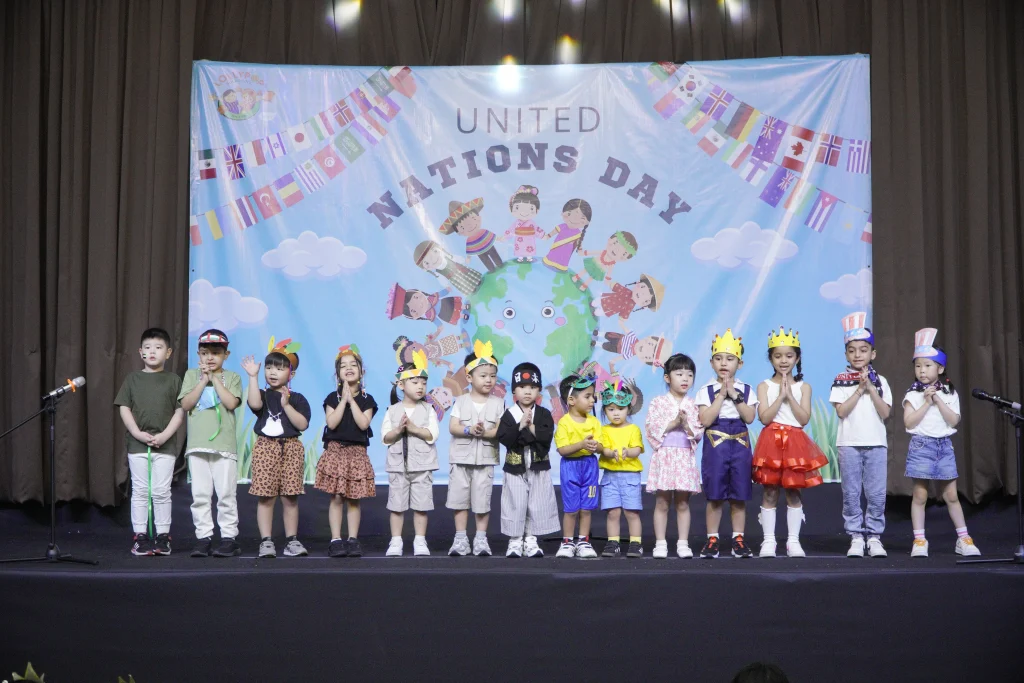
- Cultural Costume Parade: Children dress up in traditional clothing from Indonesia or other countries and share one fun fact about that culture.
- International Food Fair: Families bring dishes from different regions and countries, turning lunchtime into a delicious lesson about diversity.
- Mini Model UN: Older students represent different countries and debate a simple global issue, such as reducing plastic waste.
- “The World I Want” Art Project: Younger children draw or paint their hopes for the future, inspired by the Sustainable Development Goals.
- Learn to Say Hello: Practice greetings in the UN’s six official languages—Arabic, Chinese, English, French, Russian, and Spanish.
- Storytime on Kindness and Sharing: For preschoolers, simple stories about friendship and helping others are a gentle way to introduce the spirit of UN Day.
At home, parents can continue the conversation by looking at a world map together, reading a book about children in other countries, or choosing one small family action—like saving water—that supports a global goal.
Celebrating UN Day at Sekolah Lentera Kasih & Lollypop Preschool
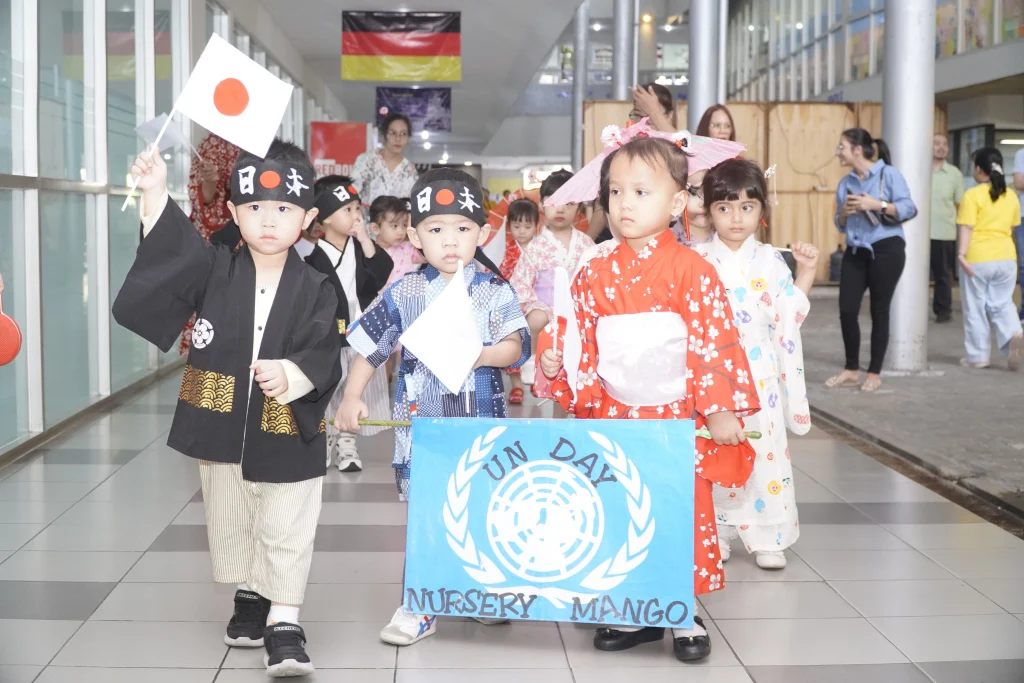
At Sekolah Lentera Kasih & Lollypop Preschool, UN Day is more than a themed event—it reflects the values we nurture every day. Our Cambridge-based curriculum encourages students to think globally, communicate confidently in English, and understand the world from different perspectives, while our Christian character education reminds them to love and respect others.
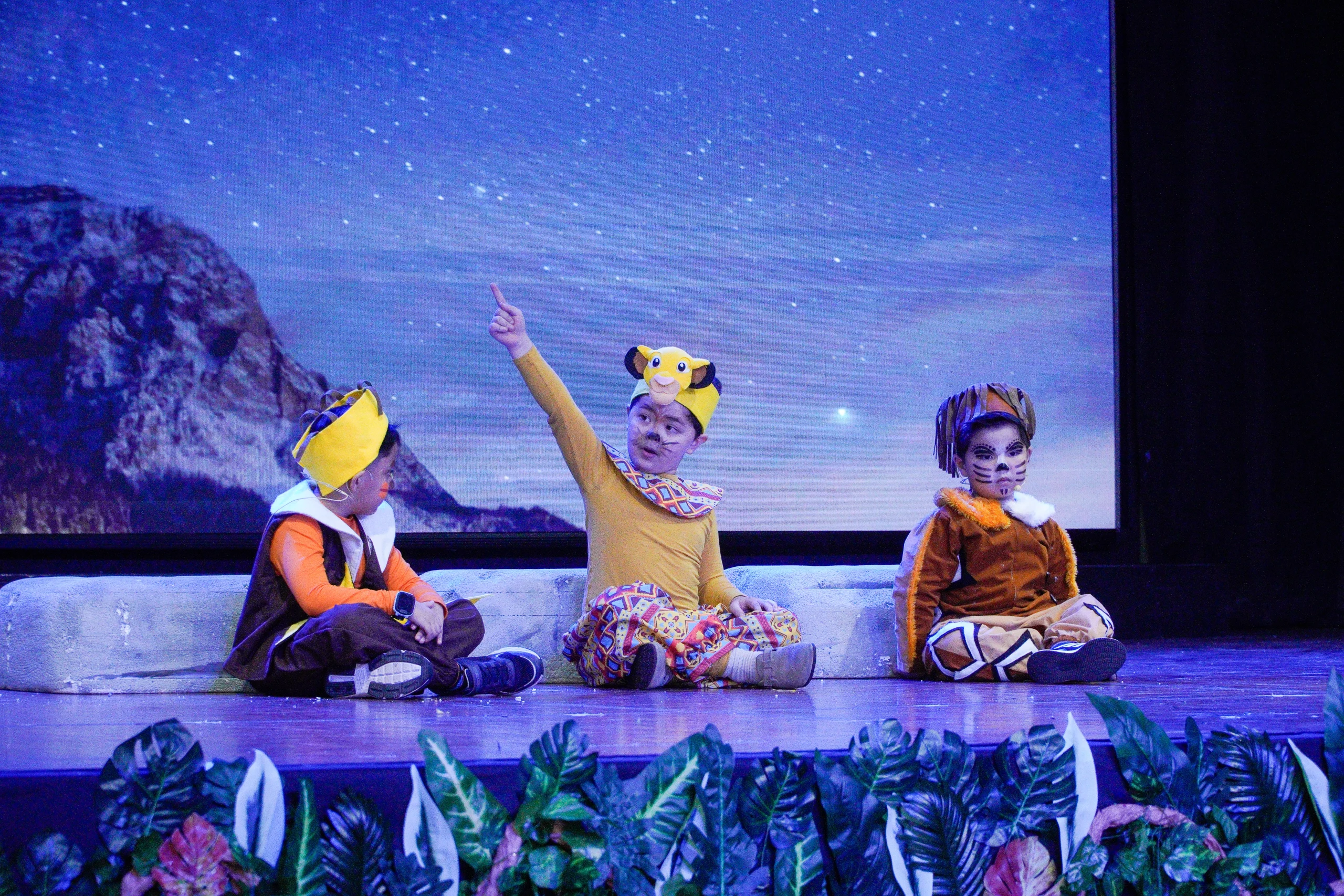
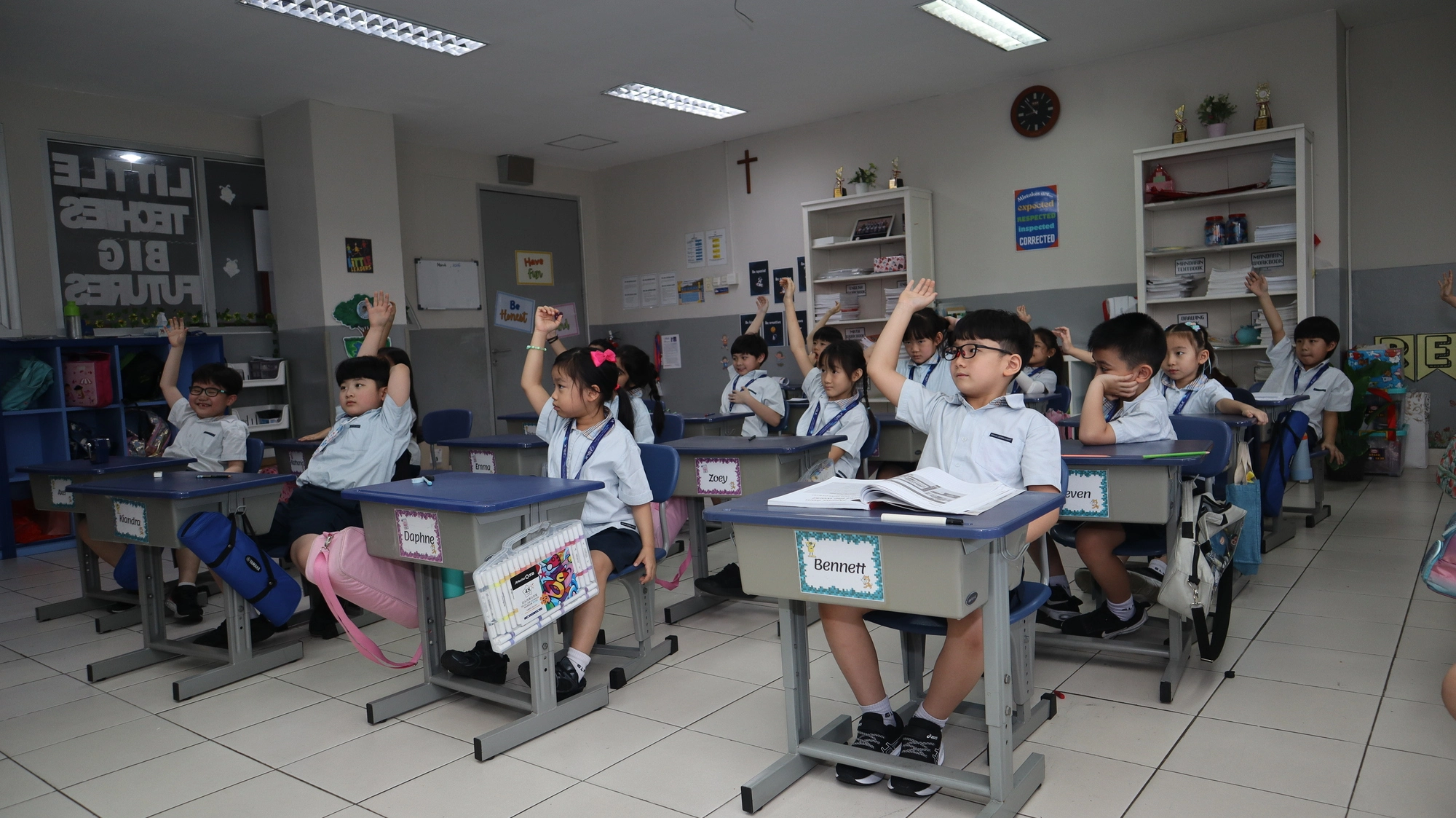
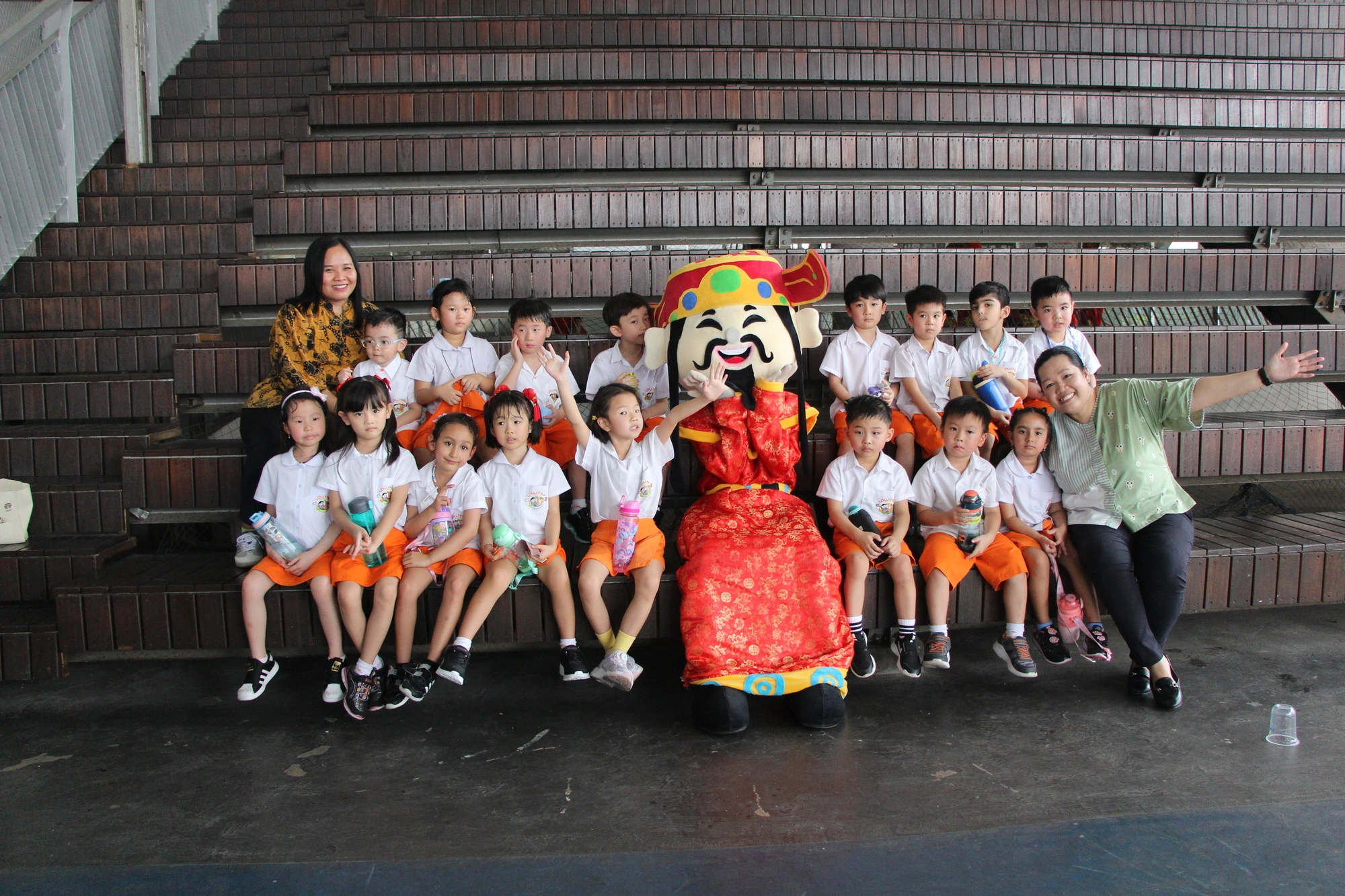
The UN Day celebration brings our vibrant, multicultural community to life through a school parade, colorful classroom decorations, traditional or unique costumes of the countries they represent, and delicious international dishes. For our little ones at Lollypop Preschool, it is a joyful introduction to different cultures through songs and stories. For older students at Sekolah Lentera Kasih, it is a chance to explore global issues, collaborate on projects, and practice the skills of a true global citizen.
In short, UN Day is a celebration of the moment the world chose cooperation over conflict. From its roots in the 1945 UN Charter to its role today in promoting peace, human rights, and sustainable development, the United Nations reminds us that global challenges are best solved together. Indonesia’s active role—from its membership in 1950 to its peacekeepers and diplomats—gives our children even more reasons to feel proud and inspired.
Sekolah Lentera Kasih & Lollypop Preschool is committed to nurturing students who are academically strong, compassionate, and ready to contribute to a better world. Because every great global citizen starts with a curious child who learns to care.
Interested in learning more about how we prepare students to become confident global citizens? Contact us today and become part of our learning community!