Understanding the diverse landscape of educational psychology is essential for any parent or educator who wishes to unlock a child’s full potential. At Sekolah Lentera Kasih and Lollypop Preschool, we believe that every student is a unique individual with a distinct way of processing, internalizing, and retaining information. This conceptual framework is often categorized into various types of learning methods, most famously summarized by the VARK model—Visual, Auditory, Read/Write, and Kinesthetic. However, learning is more than just how we take in information; it is also about the environment in which we flourish, whether that be a collaborative social setting or a quiet, solitary space. Identifying which method fits your child is not merely an academic exercise; it is a gateway to building their confidence and fostering a lifelong love for learning.
In this comprehensive guide, we will delve deep into each learning style, providing insights and strategies to help you recognize and support your child’s natural inclinations within the nurturing environment of Sekolah Lentera Kasih and Lollypop Preschool.
Visual Learning: Understanding Through Sight
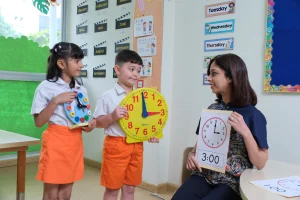
Visual learners are individuals who understand and retain information best when they can see it. For these students, a picture is truly worth a thousand words. They tend to think in images and often have a strong spatial sense, allowing them to visualize complex concepts in their minds before they ever put pen to paper.
In a classroom setting at Sekolah Lentera Kasih, a visual learner might be the child who is intently focused on the whiteboard, or the one who thrives when the teacher uses a projector to display diagrams and maps. These students often struggle with purely oral instructions and may find themselves daydreaming if there is nothing visual to anchor their attention.
To support a visual learner, educators and parents should utilize graphic organizers such as mind maps, flowcharts, and Venn diagrams. These tools help break down abstract information into tangible, visible structures. For instance, when learning about the water cycle, a visual learner will benefit far more from a colorful illustration showing evaporation and precipitation than from a long lecture on the subject. Highlighting text with different colors, using flashcards with pictures, and encouraging the child to draw their own interpretations of a lesson are all effective strategies.
At Lollypop Preschool, our classrooms are designed to be visually stimulating, filled with educational posters and vibrant materials that cater to the early development of visual processing skills. By providing a rich visual environment, we ensure that these learners can map out their understanding and build a solid foundation for more complex subjects later in life.
Auditory Learning: The Power of Listening
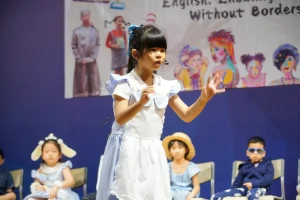
While visual learners need to see, auditory learners need to hear. For these children, sound is the primary vehicle for knowledge. They have a keen ear for tone, pitch, and rhythm, and they often find that they can remember things better if they are spoken aloud or put to music. An auditory learner at Sekolah Lentera Kasih might be the student who excels in class discussions, frequently asks questions, or can recite the lyrics to a song after hearing it only once. They are often excellent mimics and may even talk to themselves while working through a difficult problem, as the act of vocalizing helps them process the logic behind the task.
The effectiveness of lectures, podcasts, and group discussions cannot be overstated for auditory learners. They thrive in environments where verbal reinforcement is constant. To assist an auditory learner at home, parents might encourage them to read their assignments out loud or record themselves summarizing a chapter to listen to later. Mnemonic devices that use rhyme or song are particularly powerful for these students. For example, setting historical dates or scientific formulas to a simple tune can make the information stick indefinitely.
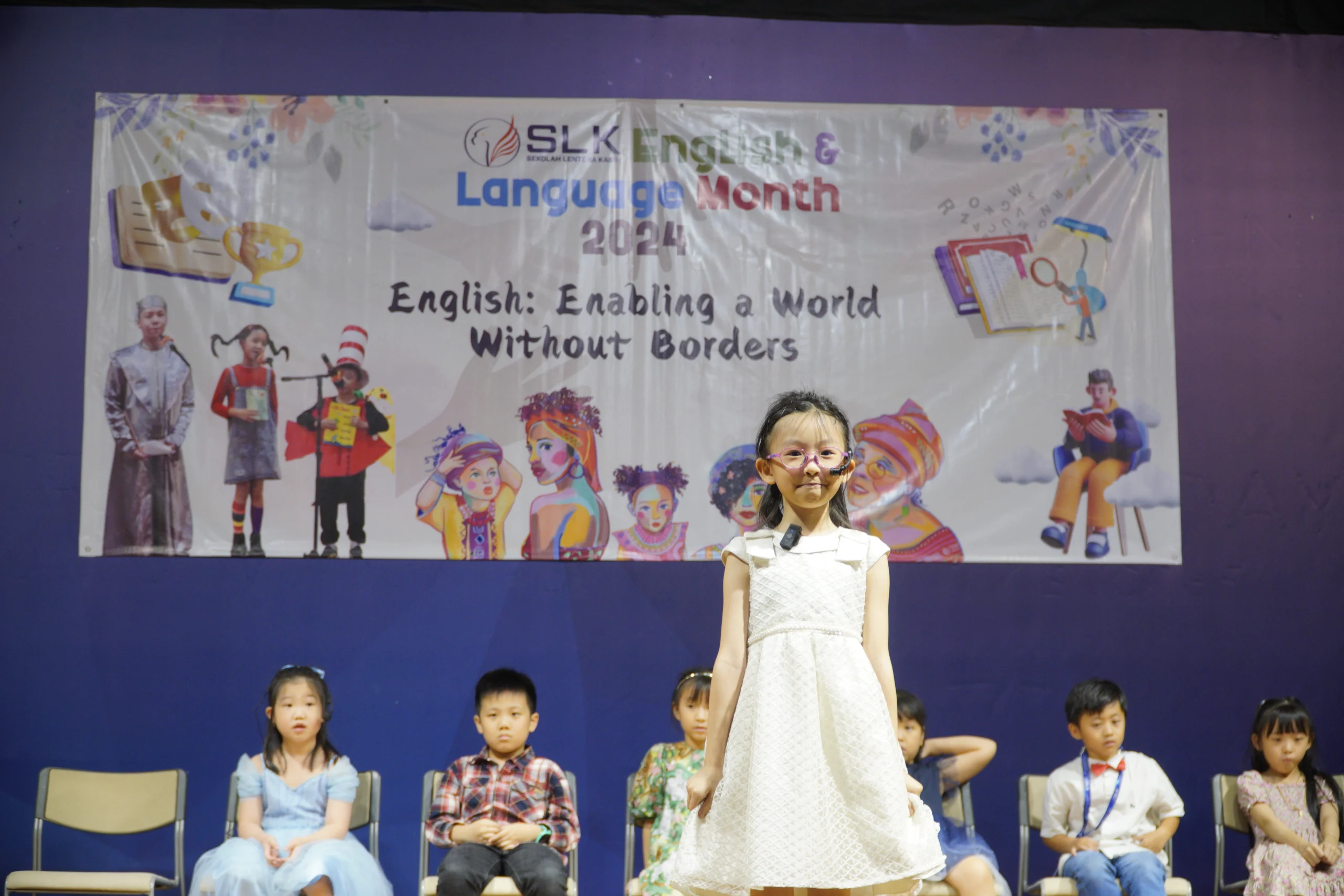
At Sekolah Lentera Kasih, our curriculum includes plenty of opportunities for verbal engagement, from choral reading in the early years to sophisticated debates and presentations in the higher grades. We recognize that for the auditory learner, the classroom is a symphony of ideas, and we strive to make every note count by encouraging active listening and vocal participation.
Kinesthetic Learning: Hands-On Experience
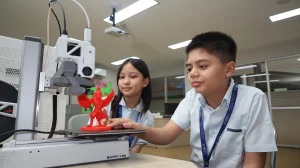
Kinesthetic learners, often referred to as tactile learners, are the “doers” of the world. They learn best through physical activity and direct manipulation of objects. For these students, the traditional classroom setup of sitting still for long periods can be a significant challenge. They need to move, touch, and feel to truly grasp a concept.
A kinesthetic learner at Lollypop Preschool might be the child who is always the first to reach for the building blocks or the one who loves science experiments because they involve pouring, mixing, and observing physical changes firsthand. Their memory is often tied to physical sensation; they remember how a process felt to execute rather than just what it looked like or sounded like.
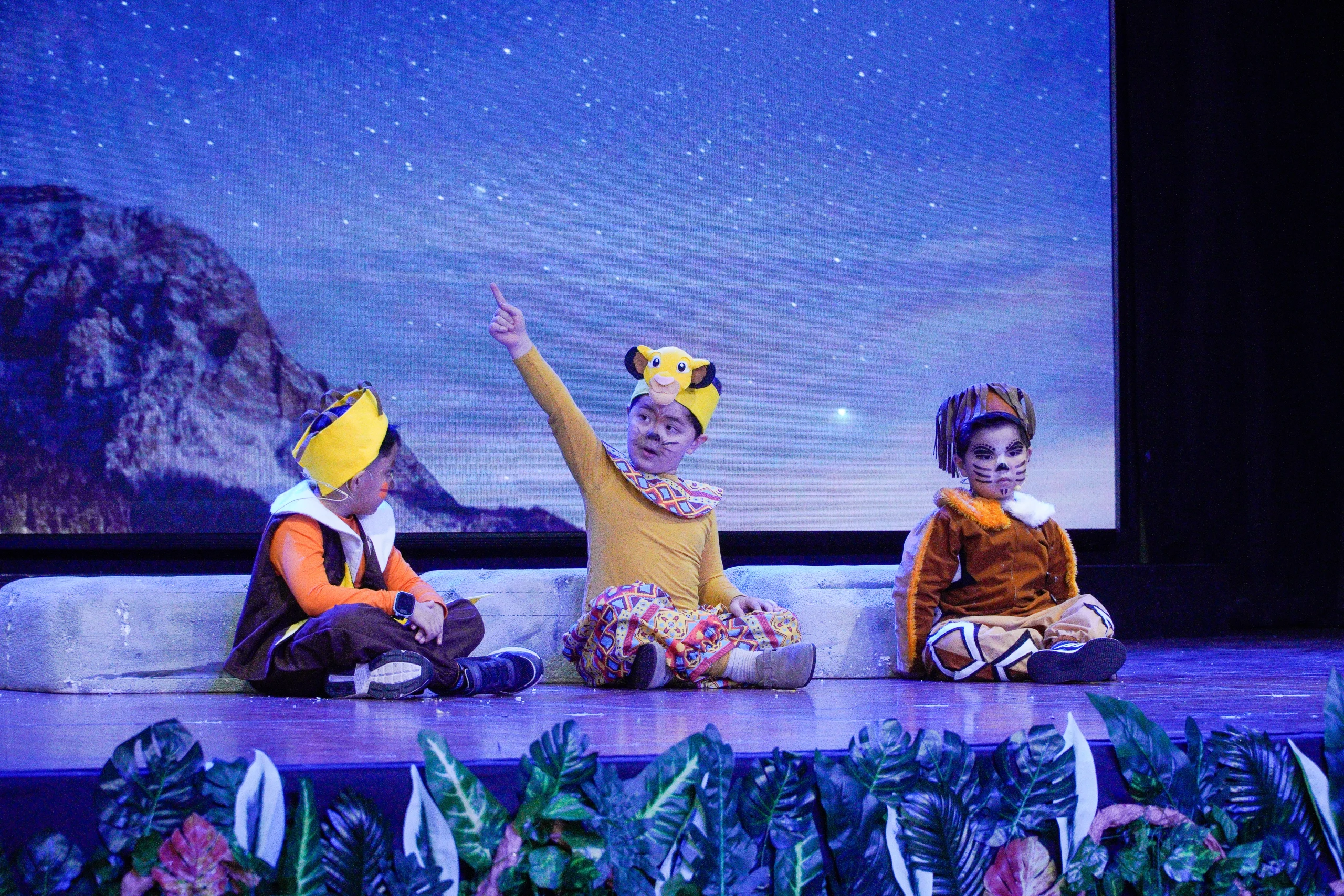
The tactile approach is essential for reinforcing memory and skill acquisition in kinesthetic learners. Strategies such as using manipulatives for math (like counting beads or blocks), engaging in role-playing or drama to understand a story, and taking frequent movement breaks are vital. In a science lab at Sekolah Lentera Kasih, these students shine as they engage in hands-on experiments that bring textbook theories to life. Beyond the classroom, physical education and sports are not just extracurriculars for them; they are vital components of their cognitive development. By integrating movement into the learning process—such as pacing while memorizing or using hand gestures to explain a concept—we help kinesthetic learners bridge the gap between abstract thought and physical reality. Our school environment prioritizes experiential learning, ensuring that those who learn with their hands are never left behind.
Read and Write Learning: Text-Based Strategies
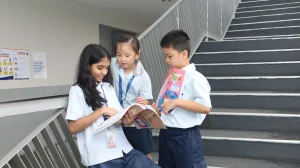
The fourth pillar of the VARK model is the Read and Write learning style. While this style overlaps with visual learning, it is distinct in its focus on the written word as the primary medium of understanding. Students who favor this method are often avid readers and prolific note-takers. They find comfort in the structure of a textbook, the clarity of a list, and the discipline of writing an essay. For a Read/Write learner at Sekolah Lentera Kasih, the act of transcribing a teacher’s lecture into their own words is the most effective way to solidify their understanding. They are often the students who enjoy looking up definitions in a dictionary or writing detailed reports on their favorite subjects.
Traditional academic environments are often well-suited to these learners, but they still benefit from specific strategies to maximize their efficiency. Encouraging them to write summaries of what they have read, create bulleted lists of key points, and engage in creative writing can deeply enhance their retention. They also benefit from handouts and written instructions that they can refer back to at their own pace.
At Sekolah Lentera Kasih, we emphasize the importance of literacy and expressive writing from a young age. Our library is a sanctuary for these learners, providing a vast array of texts that cater to their curiosity. By fostering strong reading and writing habits, we prepare these students for the rigorous academic demands of higher education, where the ability to synthesize written information is a critical skill for success.
Social vs. Solitary Learning Environments
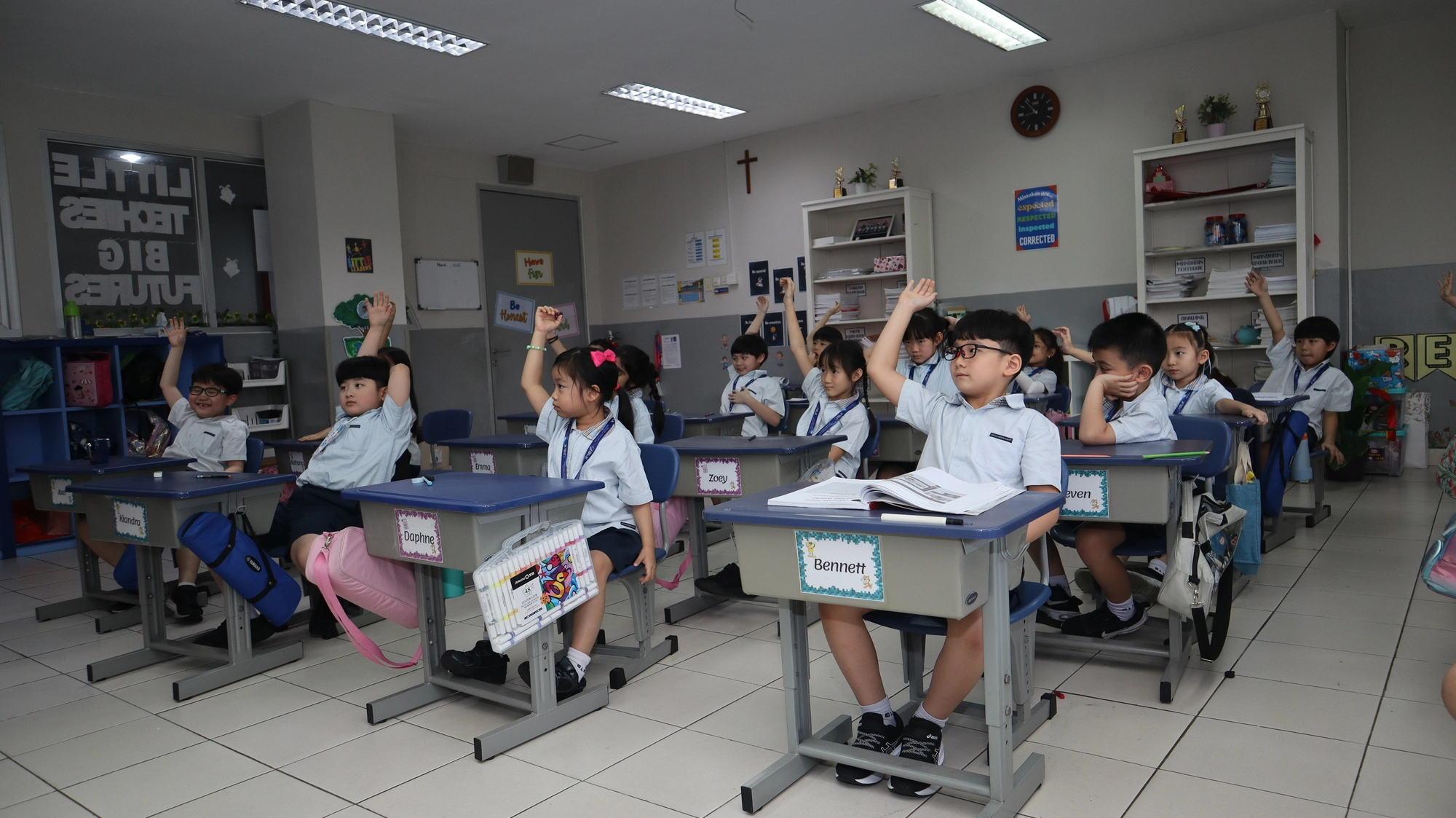
Beyond the sensory-based methods of VARK, we must also consider the social dimension of learning. This involves the distinction between interpersonal (social) and intrapersonal (solitary) learning environments. Some children are naturally social learners; they thrive on interaction, collaboration, and the energy of a group. They process information best by bouncing ideas off others and engaging in peer-to-peer teaching. In the collaborative classrooms of Sekolah Lentera Kasih, these students take the lead in group projects, showing empathy and strong communication skills. They find that explaining a concept to a classmate actually helps them understand it better themselves.
On the other hand, solitary learners prefer independent study and quiet reflection. They are often self-motivated and possess a high degree of self-awareness. For these children, the noise and bustle of a group can be distracting rather than helpful. They need time and space to work through problems on their own, often preferring a quiet corner of the library or a dedicated study desk at home. At Sekolah Lentera Kasih and Lollypop Preschool, we strike a careful balance between these two needs. Our curriculum incorporates both collaborative group work to build social skills and independent tasks to foster self-reliance. Understanding whether your child is a social or solitary learner allows you to create the right environment for their homework and extracurricular activities, ensuring they feel comfortable and focused regardless of their personality type.
Finding the Right Fit at Sekolah Lentera Kasih & Lollypop Preschool
Identifying the types of learning methods that best suit your child is a journey of observation and experimentation. Most children are actually multimodal, meaning they utilize a combination of these styles depending on the subject matter and the context. At Sekolah Lentera Kasih and Lollypop Preschool, our educators are trained to recognize these patterns and adapt their teaching methods accordingly. We don’t believe in a one-size-fits-all approach; instead, we offer a diverse and inclusive curriculum that speaks to the visual, the auditory, the kinesthetic, and the text-oriented student alike.
As a parent, you can support this process by observing how your child interacts with the world. Do they ask to see a picture? Do they want you to tell them a story? Do they immediately try to take a toy apart to see how it works? Or do they sit quietly with a book? These are the clues to their internal learning architecture.
By choosing an institution like Sekolah Lentera Kasih or Lollypop Preschool, you are placing your child in an environment that values these differences and seeks to nurture them. We provide the tools, the space, and the expert guidance needed to ensure that whichever learning method fits your child, they have every opportunity to excel, grow, and become the best version of themselves. Curious on how exactly we do this? Contact us to learn more about SLK & Lollypop Preschool!